
The Definitive Guide to Caring for Handcrafted PU and Faux Leather Goods
Understanding Modern Polyurethane (PU) Craftsmanship
Polyurethane leather, commonly referred to as PU leather, has experienced a remarkable technological evolution over the past decade. Far from the rigid, plasticky vinyl alternatives of previous generations, contemporary high-grade PU leather incorporates advanced microfiber matrix backings coated with micro-porous polymer resins. This cutting-edge fabrication process produces a material that closely replicates the supple drape, natural surface warmth, and sophisticated grain texture of traditional hides while remaining entirely cruelty-free and significantly more resistant to everyday water contact. For modern urbanites seeking stylish everyday accessories—from sleek zippered clutches and structured cardholders to minimalist key straps—handcrafted PU leather presents an appealing balance of functional versatility and approachable refinement.
However, appreciating synthetic leather requires acknowledging its unique physical properties. While traditional animal hides absorb natural oils and develop a dynamic patina through constant friction and exposure, PU leather relies on a stable external polymer coating. This protective layer shields the underlying textile substrate from external humidity and everyday dirt, but it can also be susceptible to specific chemical aggressors, localized abrasion, and heat-induced dehydration if treated improperly. Caring for handcrafted faux leather does not require an arsenal of expensive salon balms; rather, it demands a clear understanding of its structural composition and a commitment to sensible, consistent maintenance rituals.
Structural Composition of High-Grade PU
To provide effective care for synthetic leather goods, one must first appreciate how premium variants are constructed. The core foundation typically consists of densely non-woven microfiber filaments—often composed of fine polyester and polyamide blends—that mirror the multidirectional collagen bundles found in natural cowhide. On top of this durable textile base, manufacturers apply multiple micro-layers of polyurethane polymer resin. Precision embossing rollers then imprint realistic pebble, saffiano, or cross-hatch textures onto the surface before a transparent protective topcoat seals the pigments. Because the material lacks the open biological pores of genuine hide, it will not absorb heavy animal oils or solvent waxes. Instead, maintaining its suppleness depends entirely on safeguarding the integrity of this outer polymer matrix against mechanical friction and environmental degradation.
Why PU Leather Reacts Differently from Animal Hides
The primary divergence between natural animal leather and synthetic alternatives lies in how they interact with atmospheric moisture and chemical solutions. Full-grain animal skin is essentially an organic structure that requires periodic lipid replenishment to prevent internal collagen fibers from turning brittle. Synthetic polyurethane, by contrast, is a synthetic polymer chain. When subjected to harsh chemical agents—such as rubbing alcohol, acetone, nail polish remover, or petrochemical solvents—the molecular chains within polyurethane break down rapidly, leading to irreparable surface peeling, discoloration, and stickiness. Understanding this fundamental chemistry is the first step toward avoiding common cleaning blunders that inadvertently ruin perfectly crafted everyday accessories.
Everyday Maintenance Routine for Leather Accessories
Establishing a regular, gentle cleaning cadence is the cornerstone of keeping faux leather accessories in pristine condition. During daily usage, clutches, wallets, and keychains collect an invisible mixture of microscopic particulate dust, natural skin sebum, cosmetic residues, and urban grime. Left unattended, these microscopic contaminants act like fine-grit sandpaper against the outer protective topcoat whenever the item is slipped into a bag pocket or handled during commutes.
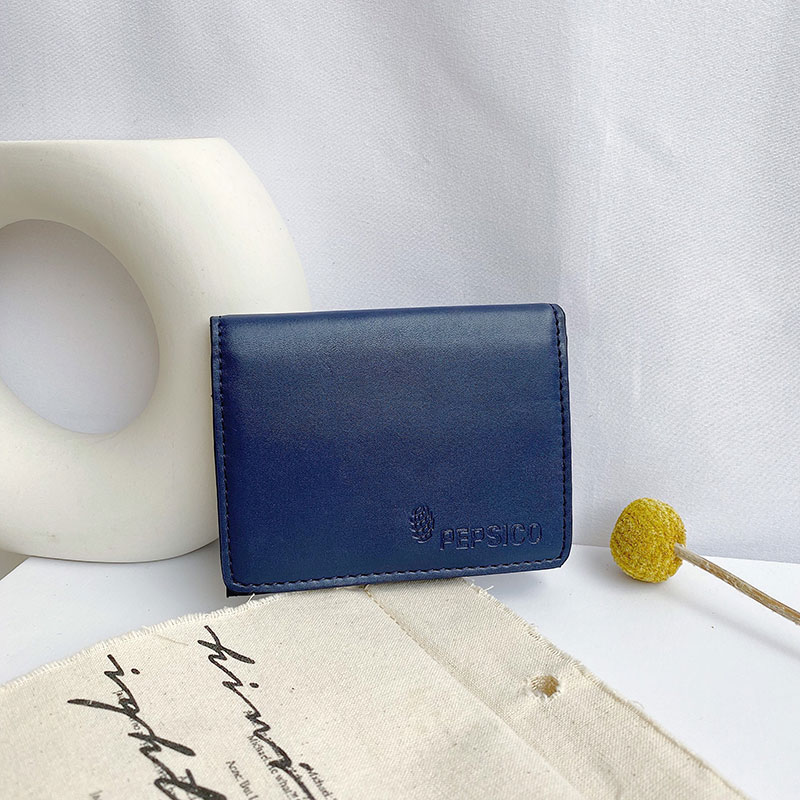
A quick weekly cleaning ritual requires nothing more than a lint-free microfiber polishing cloth and a small bowl of lukewarm distilled water. Lightly dampen your cloth—ensuring it is moist rather than dripping wet—and gently wipe the entire exterior surface using smooth, circular motions. Pay particular attention to high-contact zones such as wallet perimeter edges, zipper pulls, and embossed brand insignias where natural oils from your fingers tend to accumulate. After wiping away surface grime, immediately follow with a dry, clean microfiber cloth to absorb any lingering moisture droplets. Never allow water to pool around decorative stitching or seam joints, as stagnant water can gradually soften structural adhesives over extended periods.
Daily Dusting and Surface Cleaning
For daily upkeep following a long day of city transit or office work, a dry microfiber sweep is usually sufficient. Microfiber possesses electrostatic properties that actively attract and lift away airborne dust particles without abrading delicate surface finishes. If your accessory exhibits minor smudges or water-soluble stains, mix a single droplet of pH-neutral baby shampoo or mild fragrance-free castile soap into two cups of warm water. Dip the corner of your cloth into this dilute solution, squeeze out all excess liquid, and dab gently at the mark. Always test any cleaning mixture on a hidden interior seam before applying it to prominent exterior panels.
Managing Small Spills and Water Marks
Accidental coffee splashes, raindrops, or culinary spills require immediate and decisive intervention. When liquid hits your PU leather accessory, resist the urge to vigorously scrub back and forth, as aggressive rubbing can force pigment deeper into the texture or abrade the thin protective topcoat. Instead, promptly blot the puddle using an absorbent paper towel or dry cotton handkerchief until all liquid is absorbed. If the spill contains sugars, milk, or acidic citrus juices, follow up immediately with a damp cloth moistened with pure water to dilute and remove chemical residues, then allow the item to dry naturally at room temperature in a well-ventilated space.
Preventing Premature Peeling, Cracking, and Wear
The term “peeling” strikes fear into the heart of every synthetic leather owner. This phenomenon, known chemically as hydrolysis, occurs when environmental moisture gradually breaks down the polyurethane polyurethane polymer bonds, causing the outer decorative film to separate from the fibrous textile backing. While low-grade vinyl will often crack within months, high-grade handcrafted PU leather can easily last for many years when shielded from the environmental catalysts that accelerate hydrolytic breakdown.
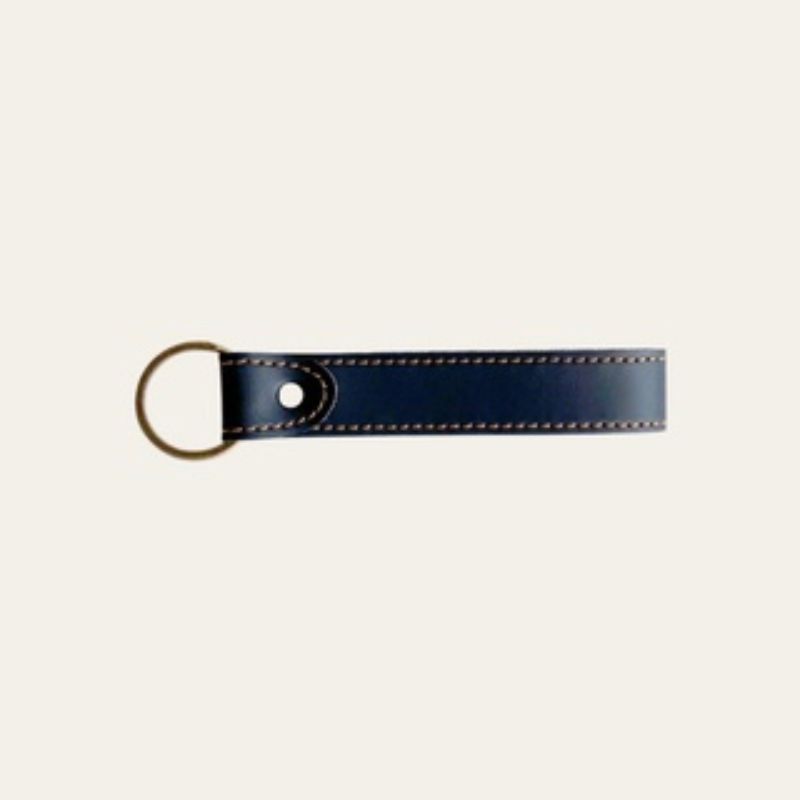
Two primary environmental adversaries catalyze the degradation of synthetic leather: direct ultraviolet (UV) radiation and excessive thermal exposure. Leaving your clutch, cardholder, or backpack resting on a sun-drenched windowsill or inside a sweltering automobile parked under direct summer sunlight can cause the polymer layer to rapidly lose its plasticizing flexibility. Once plasticizers migrate out of the resin due to intense heat, the material becomes stiff, brittle, and prone to microscopic stress fractures along natural folding lines.
Environmental Factors: Heat, Sunlight, and Humidity
To safeguard your handcrafted accessories, always store them away from direct sunlight, central heating vents, and portable space heaters. Tropical and sub-tropical climates present the inverse challenge: prolonged atmospheric humidity above 75% creates an ideal breeding ground for microscopic mold spores and accelerates hydrolytic polymer breakdown. If you reside in a humid coastal region, keep your accessories in a closet equipped with passive moisture absorbers or calcium chloride desiccant tubs. Never store synthetic leather items inside sealed, airtight plastic containers, as trapped moisture creates an unintended greenhouse micro-climate that drastically speeds up surface delamination.
Edge Paint Preservation and Hardware Care
Handcrafted leather items distinguish themselves through meticulous edge finishing. Artisans apply multiple coats of specialized edge paint along raw perimeter cuts to seal exposed microfiber layers and deliver a clean, sculptural silhouette. To preserve these edge coatings, avoid dragging accessories across coarse granite tabletops, unpolished concrete counters, or abrasive velcro bag interiors. Similarly, inspect metallic hardware—including zipper teeth, snap fasteners, and swivel clasps—every few months. Wipe metallic components with a dry jewelers cloth to remove acidic finger oils that could otherwise induce tarnishing or corrosion.
Long-Term Storage and Shape Maintenance
When an everyday clutch, passport holder, or specialty pouch is rotated out of your daily wardrobe carry, proper storage protocols are essential to ensure it emerges from the closet looking just as crisp and structured as the day it was unboxed. Improperly folded or squashed accessories can develop stubborn creases in the polymer membrane that prove nearly impossible to remove without specialized industrial steam pressing.
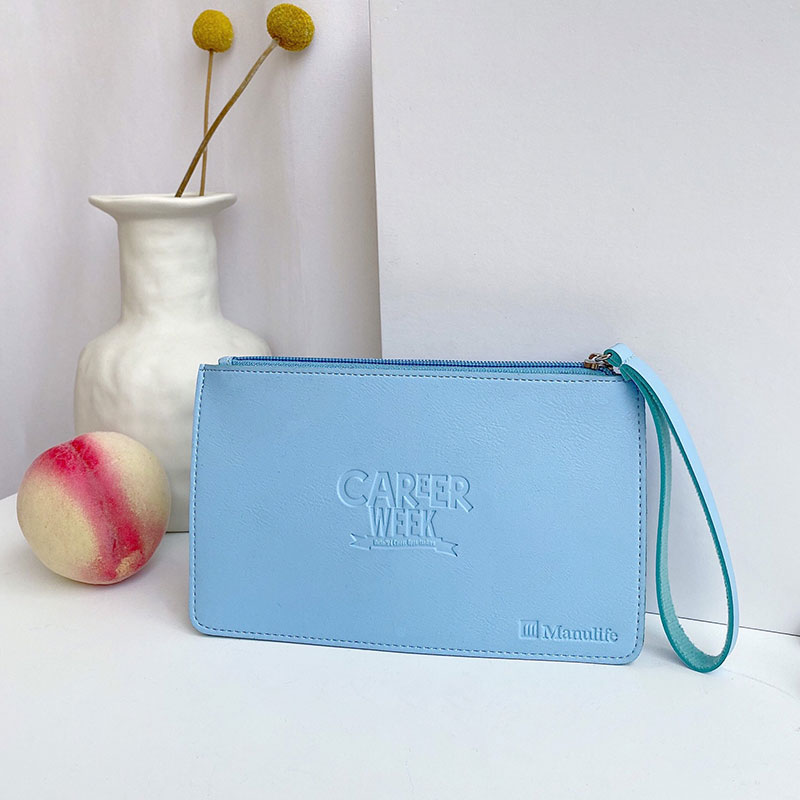
Before placing any item into temporary hibernation, perform a thorough inspection and emptying routine. Empty all card slots, interior slip pockets, and zippered compartments. Lingering coins, metal keys, or stray pens left inside a compressed bag can permanently indent the flexible PU surface over weeks of storage. Wipe down the exterior with a dry cloth to eliminate any residual finger oils, and ensure the accessory is thoroughly dry before bagging.
Using Breathable Dust Bags
Always house your handcrafted accessories inside breathable 100% cotton or non-woven textile dust bags. Dust bags serve a dual purpose: they provide an effective barrier against abrasive household dust and ambient sunlight while allowing air to circulate freely around the material. If your original packaging did not include a fabric dust bag, a clean white cotton pillowcase makes an outstanding domestic alternative. Never wrap synthetic leather accessories in vinyl garment bags or polyethylene bubble wrap, as plastic-to-plastic contact under ambient pressure can result in unsightly surface sticking and pigment transfer.
Stuffing Clutches and Bags to Preserve Form
For structured clutches, travel organizers, and larger pouches, maintaining three-dimensional volume during storage prevents unsightly collapsed sidewalls and sagging gussets. Loosely stuff the interior cavity with acid-free tissue paper, plain unprinted butcher paper, or clean cotton fabric scraps. Avoid using printed newspapers or magazine pages, as petroleum-based inks can easily leach through lining fabrics and permanently disfigure your accessory from the inside out. Once stuffed to its natural resting silhouette, store the piece standing upright or laid flat on a smooth shelf, avoiding stacking heavy objects directly on top.
Material Maintenance Comparison Table
To help you better calibrate your maintenance expectations across different material categories, the comparative matrix below outlines key physical attributes, cleaning limitations, and preservation protocols:
| Material Category | Surface Porosity | Water Resilience | Conditioning Needs | Safe Cleaning Agents | Storage Vulnerabilities | Average Lifespan |
|---|---|---|---|---|---|---|
| Full-Grain Cowhide | High (Open biological pores) | Moderate (Prone to water spotting) | Mandatory lipid balms every 3–6 months | Glycerin saddle soap, specialized leather cleaners | Mold development in dark, damp environments | 15–30+ years with patina |
| Top-Grain Corrected | Moderate (Light resin seal) | High (Resists superficial splashes) | Moderate conditioning once or twice yearly | Dilute mild soap, dedicated leather milks | Surface cracking if dried out near heaters | 8–15 years |
| Microfiber PU Leather | Low (Engineered micro-barrier) | Excellent (Repels water and mild stains) | No animal oils; water-based vinyl protectant only | Lukewarm water, pH-neutral baby shampoo | Hydrolysis from trapped moisture or intense UV | 4–8+ years with care |
| Standard Commercial PVC | Impermeable (Solid plastic film) | Impervious to water penetration | None (Cannot absorb conditioners) | Damp cloth with mild liquid detergent | Plasticizer migration causing brittleness and odor | 2–4 years |
Frequently Asked Questions About PU Leather Care
Can I use traditional leather conditioning balm or saddle soap on PU leather?
No, you should never apply traditional animal-fat conditioners, beeswax balms, neatsfoot oil, or saddle soaps to synthetic PU leather. Because polyurethane lacks open biological pores, thick organic oils cannot penetrate the polymer surface. Instead, these heavy balms remain trapped on top of the synthetic film, creating a sticky, dust-attracting residue that dulls the finish and can chemically degrade the topcoat over time. If your PU accessory feels slightly stiff, wipe it down with a damp microfiber cloth or apply a tiny amount of water-based synthetic leather protector formulated specifically for polyurethane.
What should I do if my PU leather bag gets caught in heavy rain?
If your accessory gets caught in a sudden downpour, immediately blot away excess water using a soft, dry cotton towel or paper napkins. Once the surface moisture is removed, leave the item open in a well-ventilated, shaded room to air-dry naturally at room temperature. Never use a high-heat hair dryer, place the item on an electric radiator, or leave it in direct sunlight to speed up drying, as extreme thermal exposure will cause the synthetic resin to contract, warp, and crack.
How do I remove stubborn ink or denim dye transfer from light-colored faux leather?
Denim indigo bleed and ink marks are notoriously stubborn on light-colored synthetic leather because synthetic polymers readily absorb dispersed organic dyes. Act immediately: dampen a cotton swab with a mixture of equal parts warm water and mild dishwashing liquid, gently dabbing the stained area. For tougher stains, a specialized non-solvent water-based vinyl cleaner can be applied with a soft toothbrush in circular motions. Avoid using rubbing alcohol, nail polish remover, or chlorine bleach, as these harsh solvents will dissolve the polyurethane finish alongside the stain.
Can peeling or flaking faux leather be permanently repaired at home?
Once synthetic leather begins to peel or flake, it indicates that the chemical bonds within the polyurethane layer have experienced terminal hydrolysis, causing the outer film to detach from the textile backing. While cosmetic liquid vinyl repair compounds can temporarily conceal small localized scuffs or edge chips, widespread surface flaking cannot be permanently restored to its original state. Prevention through proper storage, avoiding direct heat, and protecting items from excessive humidity remains the only truly effective strategy.
Summary: Cultivating a Mindful Maintenance Habit
Handcrafted PU leather accessories bring together modern elegance, lightweight practicality, and conscious design. By implementing simple yet deliberate maintenance habits—such as weekly microfiber dusting, prompt spill blotting, sensible storage in breathable cotton dust bags, and shielding materials from harsh sunlight and extreme temperatures—you can effortlessly preserve the tactile beauty, crisp contours, and refined finish of your favorite pieces for many seasons of stylish everyday carry.