
The Minimalist Cardholder Revolution: Slim Down Your Daily Pocket Carry
The Ergonomic and Postural Hazards of Bulky Wallets
For decades, the traditional bifold or trifold leather wallet was an unquestioned staple of everyday menswear and commuter life. Stuffed to bursting with expired receipts, laminated loyalty cards, business cards from forgotten acquaintances, copper coins, and emergency paper banknotes, these leather bricks frequently swelled to thicknesses exceeding two inches. While carrying such an overstuffed wallet might have felt customary, medical professionals, orthopedists, and physical therapists have long warned about the profound physiological consequences of this ubiquitous habit.
Sitting down on a thick wallet stowed in your rear trouser pocket forces your pelvis to tilt unnaturally to one side. This chronic lateral pelvic tilt produces an asymmetrical compensatory curvature throughout your lumbar spine, placing uneven compressive loads on delicate intervertebral discs. Over time, this mechanical imbalance irritates the sciatic nerve, triggering a painful condition commonly known in orthopedic medicine as piriformis syndrome, or more colloquially, “wallet sciatica.” Symptoms range from dull lower back aches and radiating leg numbness to persistent hip stiffness. Embracing front-pocket carry through a streamlined, minimalist cardholder is not merely an aesthetic choice; it is an immediate ergonomic intervention that restores natural spinal alignment and enhances your daily physical comfort.
The Physical Impact of Sitting on a Bifold Wallet
The biomechanics of prolonged seated posture require a level, balanced foundation. When one side of your pelvis is elevated by even half an inch, the spinal column must perform a continuous micro-adjustment to keep your shoulders level and your gaze horizontal. Over months and years of sedentary desk work, commuting behind a steering wheel, and dining out, this chronic pelvic imbalance tightens surrounding gluteal muscles and strains sacroiliac joints. Migrating your daily wallet into an anterior front pocket instantly eliminates this artificial imbalance, providing a symmetrical seated posture that relieves chronic lower-back tension.
Front-Pocket Carry as an Ergonomic Remedy
Moving your everyday carry to your front trouser or coat pocket requires an accessory designed specifically for compact dimensions. Traditional bifold wallets are simply too thick and awkward for front pockets, creating unsightly bulges and restricting leg movement when sitting down. A handcrafted slim leather cardholder, by contrast, measures merely a few millimeters thick when unloaded. It sits flat and weightless against your front thigh, completely imperceptible whether you are cycling through city streets, sitting in deep office chairs, or boarding an airplane.
The Philosophy of Pocket Minimalism
Adopting a minimalist cardholder is as much a psychological reset as a physical one. In modern consumer society, our wallets often become domestic junk drawers that passively collect financial clutter: outdated store punch-cards, folded parking tickets, medical receipts from three years ago, and currencies from trips long concluded. Carrying this accumulated clutter weighs you down both physically and mentally.
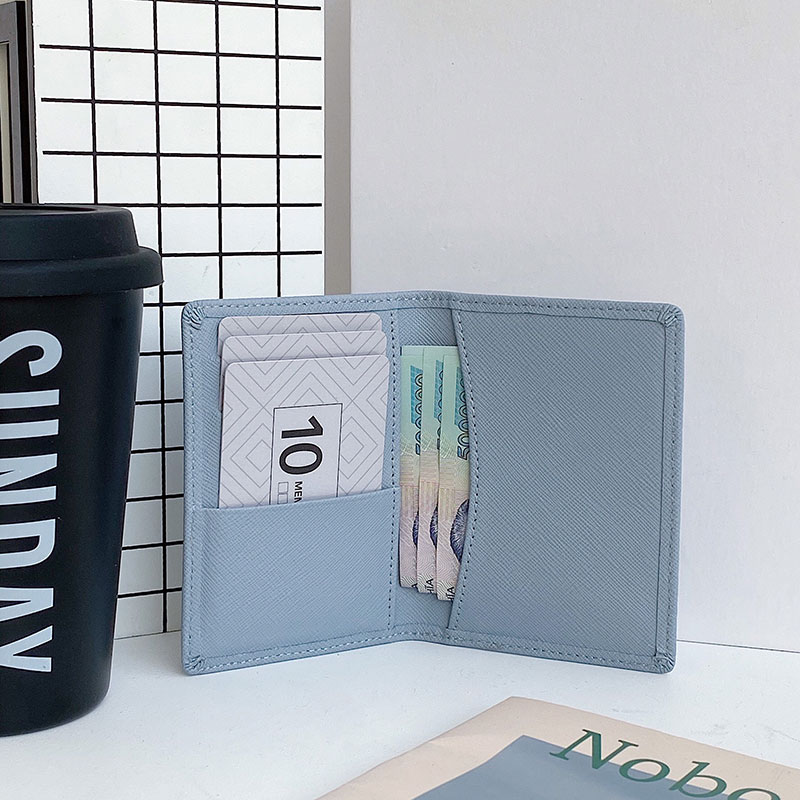
The transition to a slim cardholder enforces a healthy exercise in intentionality. It demands that you conduct an honest audit of what you actually utilize on a typical day versus what you carry out of unexamined habit. When you strip away redundant cards and digitized rewards programs, you discover that everyday life requires astonishingly few physical plastic rectangles: a government identification card, a primary credit or debit card, a transit card, and perhaps a backup payment card or folded emergency cash note.
Audit Your Wallet: Separating Vital from Redundant
Performing a wallet audit takes less than five minutes but pays immediate dividends. Lay every item from your current wallet onto a table and categorize them into three clear piles: essential daily necessities, occasional requirements, and pure clutter. Loyalty stamp cards and store memberships can almost universally be digitized into smartphone wallet applications. Insurance cards and medical documents can be safely photographed and encrypted on your mobile device. Once you discard expired receipts and store occasional cards in a drawer at home, your core daily footprint shrinks effortlessly to four to six cards.
Digital Payments and the Cashless Lifestyle
The rapid global shift toward contactless transactions, near-field communication (NFC) smartphone payments, and instant bank transfers has fundamentally diminished the need for carrying substantial cash notes and loose coinage. In contemporary urban hubs, tapping a contactless card or smart terminal completes 95% of daily commercial transactions in under three seconds. A slim cardholder aligns harmoniously with this streamlined financial landscape, providing rapid tactile deployment for the few transactions where physical cards remain mandatory.
Smart Architecture: How Slim Cardholders Optimize Storage
The engineering of an exceptional minimalist cardholder requires extraordinary artisan precision. Because there is no surplus material to hide structural imperfections, every millimeter of leather thickness, seam allowance, and pocket clearance must be calibrated to perfection.
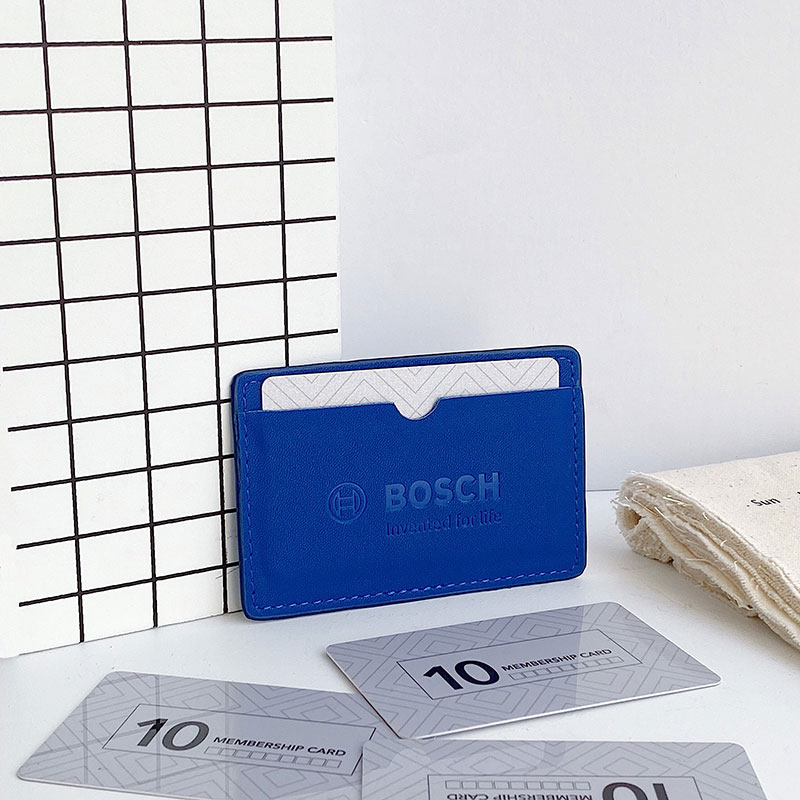
Master artisans achieve remarkable slimness through a traditional technique known as leather skiving. Skiving involves shaving down the edges of the leather panels to a feather-thin taper before folding and stitching them together. This prevents bulky leather buildup where multiple layers converge at the perimeter seams. When combined with staggered vertical or horizontal card tiers, the cardholder spreads out the thickness of embedded plastic chips, preventing the wallet from bowing outward into an awkward wedge.
Multi-Tiered Card Stacking and Central Fold Slots
A classic minimalist sleeve typically incorporates two or three cascading card slots on each exterior face, anchored by a central open compartment. This central slot acts as a versatile multi-purpose chamber, capable of holding several folded banknotes, a folded parking pass, or a business card. The cascading exterior slots expose just enough of each card top edge—typically three to four millimeters—to allow quick identification and effortless thumb retrieval without sacrificing retention security.
Edge Beveling, Skiving, and Minimalist Seams
The tactile pleasure of holding a high-end cardholder stems directly from its edge craftsmanship. Artisans bevel raw edges to remove sharp corners, followed by meticulous hand-burnishing with organic waxes or multiple applications of flexible edge enamel. This smooth, rounded perimeter ensures that the cardholder slides effortlessly into and out of tailored suit pockets, raw denim jeans, or tight running shorts without catching or wearing down pocket lining fabrics.
Everyday Scenarios: Speed and Frictionless Tapping
In the rapid rhythm of daily city life, efficiency is paramount. Fumbling with a multi-folded wallet, struggling with stubborn snap closures, or wrestling with an awkward zippered coin pouch creates unnecessary daily friction at subway turnstiles, coffee counters, and grocery checkouts.
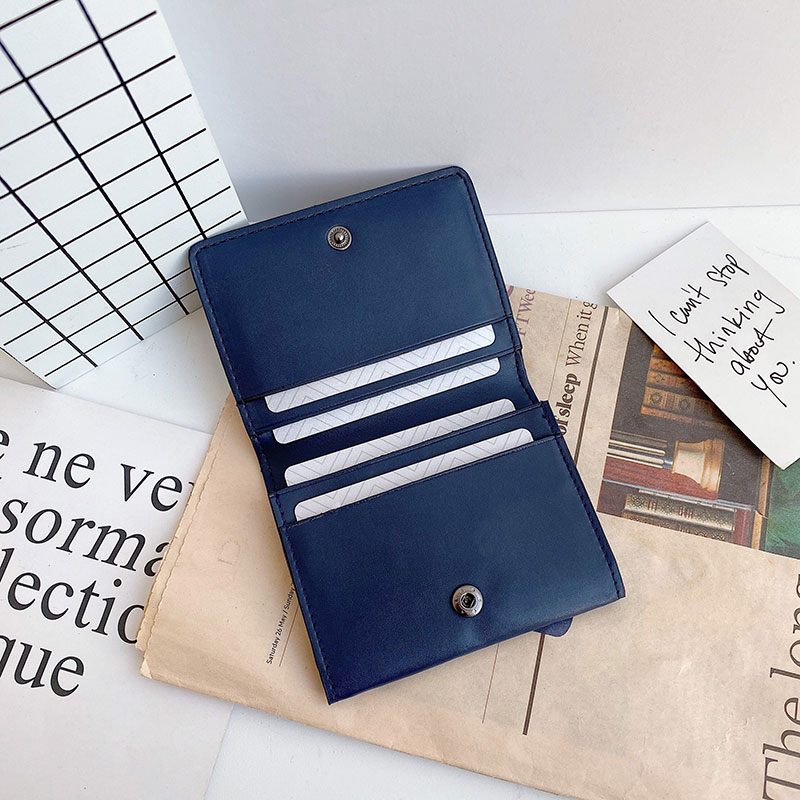
A slim cardholder delivers an unmatched transactional fluidity. By assigning your highest-frequency transit card to an exterior pocket face, you can simply tap the entire cardholder against metro fare gates without ever taking the card out. When paying for your morning pour-over coffee, a gentle swipe of your thumb pushes your primary debit card forward for instant chip insertion or terminal tapping, sliding back into place in a single fluid gesture.
Rapid Transit and Contactless Transactions
For daily subway and bus commuters, speed at the turnstile keeps rush-hour crowds moving smoothly. Having a slim, dedicated cardholder nestled in your palm allows you to tap fare gates without breaking stride. Because the cardholder is compact and tactile, the risk of accidentally dropping loose cards onto wet train platforms or between escalator steps is virtually eliminated.
Suit Jacket and Tailored Trouser Silhouette Preservation
Beyond ergonomic and functional benefits, a minimalist cardholder preserves the crisp, tailored drape of fine clothing. Stowing a bulky traditional wallet inside the breast pocket of an Italian wool suit jacket creates an unsightly bulge that pulls the lapels out of alignment. Similarly, a thick wallet in tailored dress trousers produces awkward fabric puckering and ruins clean trouser lines. A slim cardholder slips invisibly into interior jacket pockets or front trouser pockets, allowing fine tailoring to drape flawlessly as designed.
Daily Wallet Profiles Comparison Table
To illustrate the practical differences across everyday wallet configurations, examine the structural and ergonomic comparison below:
| Wallet Architecture | Average Thickness (Loaded) | Optimal Card Range | Cash Carrying Method | Postural Health Rating | Pocket Silhouette | Access Speed |
|---|---|---|---|---|---|---|
| Traditional Tri-Fold | 35–50 mm (1.4–2.0 in) | 12–20+ cards | Full-length open cash billfold | Hazardous (Severe pelvic tilt) | Bulky rear distortion | Slow (Multi-fold unfolding) |
| Classic Bifold | 25–35 mm (1.0–1.4 in) | 8–12 cards | Traditional open horizontal billfold | Poor (Noticeable spinal curvature) | Pronounced rear pocket bulge | Moderate (Two-handed operation) |
| Hybrid Card Clip | 12–18 mm (0.5–0.7 in) | 6–8 cards | Exterior spring-tension metal clip | Good (Comfortable front carry) | Sleek with protruding clip | Fast (External card slots) |
| Minimalist Artisan Sleeve | 5–8 mm (0.2–0.3 in) | 4–6 cards | Folded bills in center slip pocket | Superior (Zero pelvic distortion) | Virtually invisible in front pocket | Instantaneous (Thumb-slide access) |
Frequently Asked Questions About Slim Cardholders
How many physical cards should I ideally carry in a minimalist cardholder?
The optimal capacity for a dedicated minimalist cardholder is typically between four and six cards. This setup generally accommodates one government ID card, one primary everyday debit or credit card, one backup credit card, and an essential transit or building access card. Loading more than two cards into a single leather pocket slot can permanently over-stretch the leather fibers, which may cause cards to slip out loosely if you later reduce your everyday carry.
Will leather card slots stretch out and cause cards to slip out accidentally?
High-quality leather is an organic material that molds naturally to the objects placed inside it. If you consistently insert two cards into a slot, the pocket will stretch to accommodate that exact two-card thickness. To prevent cards from accidentally falling out, maintain a consistent card count per pocket and avoid periodically stuffing extra temporary items into tight slots. High-grade PU leather and structured microfiber composites exhibit even less elasticity than vegetable-tanned cowhide, maintaining firm card retention over long periods of daily use.
How can I carry paper cash notes in a slim card sleeve without causing excessive bulk?
Carrying banknotes in a minimalist cardholder is effortlessly achieved using the classic “half-fold” or “quarter-fold” technique. Fold two or three crisp emergency bills in half once and slip them into the central interior pocket between the front and rear card walls. Because you are carrying cash primarily for rare emergency situations rather than routine daily transactions, a few neatly folded banknotes provide complete financial peace of mind without adding noticeable bulk.
Does a front-pocket cardholder offer better anti-theft security in crowded transit areas?
Yes, significantly so. Rear trouser pockets are notoriously easy targets for pickpockets in crowded subway stations, tourist landmarks, and busy street markets. Because the rear pocket sits outside your direct peripheral vision and nerve awareness, a skilled thief can extract a bulky wallet without your immediate knowledge. A cardholder stowed in your front trouser pocket or zipped inside an interior jacket pocket is continuously anchored within your sensory field of awareness, making covert theft virtually impossible.
Summary: Embracing Everyday Lightness
Slimming down your daily pocket carry is more than a modern trend—it is a conscious lifestyle upgrade that pays daily dividends in spinal health, transactional speed, and mental clarity. By retiring the overstuffed bifold wallet in favor of a masterfully handcrafted minimalist cardholder, you eliminate unnecessary clutter, protect tailored clothing, and move through the world with unburdened, lightweight confidence.