
The Slow Fashion Movement: Why Handcrafted Goods Outlast Mass Fast Fashion
The Crisis of Disposable Fast Fashion Culture
Over the past three decades, global consumer culture has been profoundly reshaped by the rapid rise of fast fashion. High-volume industrial manufacturing, subsidized international shipping, and aggressive algorithmic social media marketing have combined to treat personal style as an ephemeral, throwaway commodity. Where traditional apparel and leathercraft industries once operated around four distinct seasonal collections each year, modern ultra-fast fashion conglomerates now generate up to fifty-two micro-seasons annually: flooding digital marketplaces with tens of thousands of cheap new styles every single week.
This relentless production deluge relies on a calculated economic business model known as planned obsolescence. Bags, backpacks, and accessories manufactured under fast-fashion mandates are deliberately not engineered to endure. Utilizing brittle bonded plastics, fragile paper-thin linings, single-ply synthetic threads, and cheap zinc-pot metal hardware, these mass-produced items are structurally designed to show noticeable wear within six months and suffer catastrophic seam or zipper failure within a year. The underlying objective is clear: to keep consumers trapped in an endless cycle of purchasing, discarding, and replacing. The environmental, ethical, and personal toll of this disposable lifestyle is staggering: millions of tons of non-biodegradable synthetic textiles clog global landfills, while artisans and consumers alike are divorced from the enduring beauty of genuine craft.
The True Cost of Planned Obsolescence
When a synthetic backpack or handbag is priced at an absurdly low retail cost, that price tag reflects artificial externalized costs rather than authentic efficiency. Cheap retail prices conceal underpaid factory labor operating in precarious conditions, toxic chemical dyes dumped into local waterways, and massive energy consumption required to churn out low-density polyester polymers. Furthermore, because these composite plastic materials are nearly impossible to separate and recycle, over 85% of discarded fast-fashion accessories end up incinerated or buried in municipal landfill sites where they leach microplastics into soil and oceans for centuries.
Environmental and Human Toll of High-Volume Manufacturing
Beyond the environmental crisis, fast fashion exerts an insidious psychological toll on consumers. When personal belongings are cheap and easily replaced, our emotional attachment to them evaporates. Possessions lose their storytelling capacity, becoming lifeless utility props rather than intimate companions. Embracing the slow fashion movement is an act of conscious cultural resistance: a choice to reclaim quality, celebrate human artisan capability, and cultivate deep personal relationships with the physical tools that accompany our daily lives.
The Artisan Alternative: Small-Batch Craftsmanship
Slow fashion is not merely an environmental buzzword; it is an alternative manufacturing methodology rooted in heritage craftsmanship, small-batch ethical production, and uncompromising material standards. Rather than prioritizing maximum production volume and cutting corners on labor, independent artisan studios celebrate patience, precision, and personal accountability.
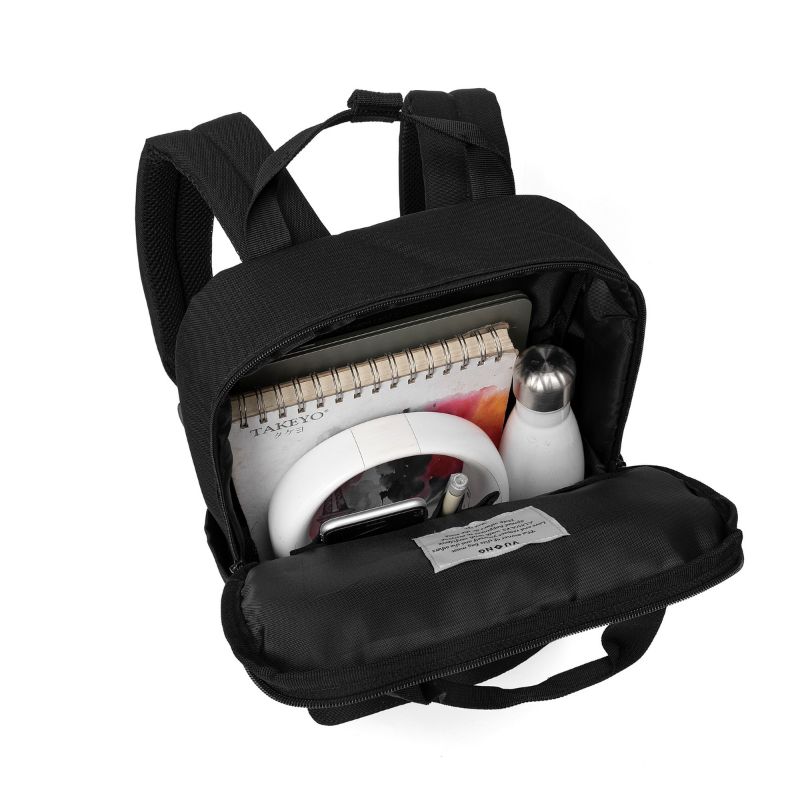
In an artisan workshop, every single cut, stitch, and edge finish is scrutinized by human hands. An artisan does not rush to produce a thousand identical bags in an hour. Instead, they carefully inspect raw canvas bolts for weave tightness, select leather panels with optimal fiber density, and hand-cut pattern pieces to ensure directional grain alignment. High-tensile bonded nylon threads are calibrated to exact tension tolerances, and critical load-bearing stress points—such as handle roots and shoulder harness mounts—receive double-stitched bar-tacks and internal leather backing plates that distribute weight evenly across seam walls.
Superior Thread Selection and Bar-Tack Reinforcements
The Achilles heel of fast-fashion bags is almost invariably thread decay. Factory mass production utilizes cheap spun-polyester thread that rapidly degrades under UV sunlight exposure and abrasive friction. Artisan workshops exclusively employ bonded multi-filament nylon or braided linen threads treated with protective beeswax. These high-spec threads possess immense tensile strength, resisting rot, moisture, and friction. Combined with reinforced saddle-stitching—where two independent needles pass through the same stitch hole from opposite directions—a broken stitch will not unravel, ensuring the seam remains structurally intact for decades.
Attention to Seam Alignment and Structural Longevity
Precision seam alignment is the visual and structural signature of handcrafted mastery. In mass production, workers are incentivized by piece-rate quotas, leading to skewed seam allowances, puckered corners, and poorly aligned zipper tracks that catch on fabric teeth. An independent craftsman takes the time to skive edges, apply multi-stage contact adhesives, and clamp seams before sewing. The resulting accessory possesses crisp, architectural symmetry and buttery-smooth zipper action that operates flawlessly year after year.
Timeless Design: Subverting Fleeting Micro-Trends
Fast fashion relies on manufactured trend anxiety: convincing consumers that their current wardrobe is obsolete because colors, silhouettes, or embellishments have shifted in the latest marketing cycle. In contrast, slow fashion principles champion timeless utilitarian minimalism.
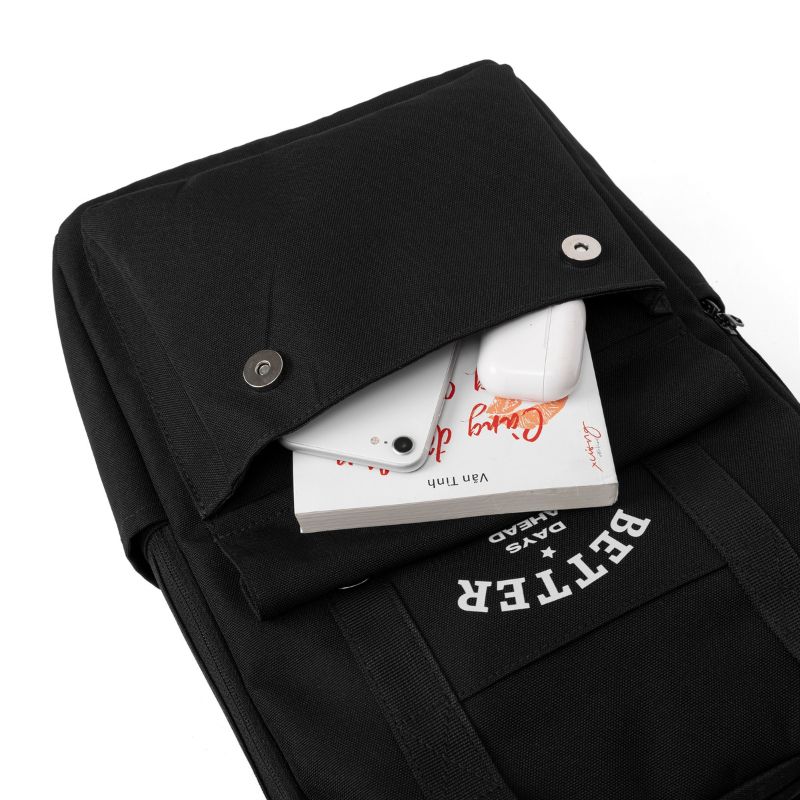
Handcrafted artisan accessories strip away ephemeral decorative fads, focusing instead on pure geometric harmony, organic textures, and functional proportions. A classic canvas and leather rucksack, an understated leather clutch, or a minimalist cardholder does not belong to a specific calendar year or micro-trend. Its visual elegance is rooted in timeless principles of proportion and utility, looking just as refined a decade from now as it does today.
Utilitarian Proportions and Neutral Palettes
By curating palettes around natural, earthy tones—such as warm desert sand, rich forest olive, deep indigo, charcoal slate, and warm vegetable-tanned leather—artisan goods effortlessly harmonize with diverse personal styles. A neutral, minimalist daypack gracefully bridges the gap between creative casual wear, urban streetwear, and smart-casual professional tailoring, eliminating the need to own five different cheap bags for various occasions.
Emotional Durability: Developing a Personal Bond with Your Gear
Psychologists and design theorists often speak of “emotional durability”: the capacity of an object to sustain personal meaning and value over extended time. As you carry an artisan handcrafted bag across daily commutes, international voyages, and life milestones, the material absorbs your history. The gentle softening of the leather handles, the unique scuffs that record a memorable trip, and the rich patina that develops from hand contact transform the bag into an intimate personal artifact. You do not wish to replace it, because no new store-bought bag can possess the memories woven into its fabric.
The Economics of Cost-Per-Wear and Repairability
A frequent objection raised against slow-fashion artisanal goods is their higher upfront retail purchase price. When evaluating consumer purchases through an unexamined lens, spending $150 on an artisan handcrafted backpack may seem expensive compared to buying a $35 fast-fashion bag at a shopping mall. However, when analyzed through the mathematical lens of “Cost-Per-Wear” (CPW), the economic reality flips dramatically.
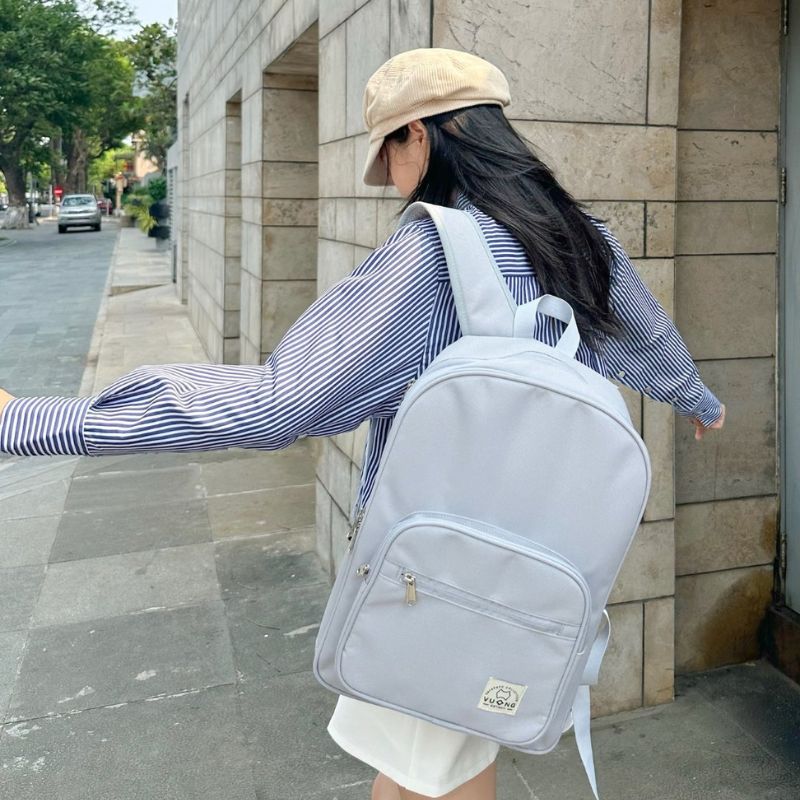
Cost-Per-Wear is calculated by dividing the total purchase price plus maintenance costs by the number of days an item is worn over its lifespan. A $35 fast-fashion bag that falls apart after six months of daily use (180 days) costs approximately $0.19 per day. You must then purchase another $35 bag, repeating the cycle continually. Over five years, you will spend over $350 cycling through ten poorly made bags. In contrast, an artisan-crafted $150 bag built from heavy canvas and solid leather will easily endure five to ten years of daily carry (1,800+ days), resulting in a Cost-Per-Wear of less than $0.08 per day. Investing in slow fashion is, quite literally, the most frugal financial choice a conscious consumer can make.
Calculating True Cost-Per-Wear Over Five to Ten Years
When you account for the hidden costs of fast fashion—the time spent shopping for replacements, the frustration of broken zippers mid-commute, and the potential damage to expensive laptops dropped from failed straps—the economic superiority of heirloom craft becomes undeniable. Quality items retain tangible resale value on secondary vintage markets, whereas discarded fast-fashion accessories possess zero residual value.
The Right to Repair: Modular Hardware and Restorable Seams
A foundational tenet of slow fashion is repairability. Mass-produced fast-fashion bags are heat-welded and glued using industrial shortcuts that make disassembly impossible: once a cheap plastic zipper tooth snaps, the entire bag must be discarded. Handcrafted artisan accessories, by contrast, are constructed with mechanical transparency. Zippers can be unpicked and replaced, leather straps can be conditioned or re-riveted, and worn canvas panels can be darned or patched. An artisan bag is an open, repairable system designed to evolve and endure alongside you.
Fast Fashion Accessories vs Artisan Handcrafted Goods Comparison Table
The comparative matrix below highlights the systemic differences between disposable fast-fashion manufacturing and slow-fashion artisan craftsmanship:
| Evaluation Parameter | Mass Fast Fashion Bag | Mid-Tier Retail Mall Brand | Artisan Handcrafted Studio | Bespoke Heritage Leather Piece |
|---|---|---|---|---|
| Typical Usable Lifespan | 6–12 months before failure | 2–3 years of moderate wear | 5–15+ years with basic care | 20–40+ years (Heirloom grade) |
| Thread & Stitch Quality | Single-ply spun polyester; no back-tacks | Standard industrial lockstitch | Heavy bonded nylon; reinforced bar-tacks | Hand-stitched saddle thread with beeswax |
| Hardware Materials | Cast zinc alloy pot metal (Snaps easily) | Plated stamped steel | Solid cast brass or high-grade steel | Hand-forged brass, copper, or stainless |
| Repairability Rating | Zero (Glued seams cannot be repaired) | Low (Cost of repair exceeds bag value) | High (Modular construction, restorable) | Exceptional (Designed for lifelong restoration) |
| 5-Year Cost-Per-Wear | High ($0.20–$0.35/day with replacements) | Moderate ($0.15–$0.22/day) | Low ($0.05–$0.09/day) | Extremely Low over decades ($0.02/day) |
| Environmental Footprint | Disastrous (High non-recyclable landfill) | Substantial (Synthetic textile waste) | Low (Natural materials, minimal waste) | Minimal (Organic longevity, biodegradable) |
Frequently Asked Questions About Slow Fashion & Handcrafted Goods
Why do artisanal handcrafted bags cost significantly more upfront than retail department store alternatives?
The upfront price of an artisan bag reflects living wages for skilled craftspeople, ethically sourced raw materials, and unhurried small-batch manufacturing. Rather than operating automated robotic factories in regions with lax labor and environmental laws, independent workshops pay fair wages to master artisans who dedicate hours of focused human labor to cutting, skiving, stitching, and finishing each piece. Furthermore, premium materials—such as tightly woven 16oz cotton canvas, solid brass hardware, and high-density leather—cost up to ten times more per yard than flimsy synthetic fast-fashion alternatives.
How can a customer verify that a brand genuinely follows slow fashion principles rather than greenwashing?
To identify authentic slow fashion, look for structural transparency. Genuine artisan brands openly share detailed information about their workshop locations, material origins, hardware manufacturers, and repair policies. They produce small, focused collections rather than dropping hundreds of weekly styles, and they offer repair services or replacement parts for their products. Beware of vague corporate marketing claims like “sustainable collection” from massive fast-fashion conglomerates that continue to produce millions of disposable garments every month.
What should I look for in stitching quality when inspecting a handmade bag before purchase?
When evaluating stitching, inspect the consistency and tension of the thread line. Quality stitching features straight, evenly spaced stitches without loose loops, skipped stitches, or bunched thread nests on the underside. At critical load-bearing joints—such as where shoulder straps or grab handles join the bag body—look for reinforced cross-box stitching (an X sewn inside a square) or heavy-duty bar-tacks. Gently pull the seam apart; a high-quality seam will remain rigid and tight, showing no visible thread gapping.
How does opting for slow fashion accessories reduce personal carbon and textile footprint?
The single most impactful environmental action any consumer can take is extending the active lifespan of the objects they already own. By choosing a single handcrafted bag that lasts ten years rather than purchasing ten fast-fashion bags over the same period, you directly prevent nine bags from entering municipal landfills. Furthermore, you eliminate the carbon emissions, water pollution, and petroleum extraction required to manufacture, package, and ship those nine discarded replacements across global supply chains.
Summary: Choosing Mindful Permanence Over Ephemeral Trends
The slow fashion movement is an invitation to step off the exhausting consumer treadmill and embrace a more grounded, intentional relationship with our material belongings. By choosing handcrafted goods built on artisan integrity, enduring materials, and timeless utilitarian design, we honor skilled human craftsmanship, protect our shared planet, and surround ourselves with faithful everyday companions that grow richer with age and story.