
The Essential Guide to Luggage Tags: Protecting Your Baggage in Style
The Reality of Modern Airport Baggage Handling
Few travel experiences provoke more immediate dread than standing beside an empty airport luggage carousel watching the conveyor belt grind to a halt while realizing your checked suitcase has failed to appear. According to global aviation transit metrics published by aeronautical communications consortiums, international airlines mishandle, misdirect, or lose millions of passenger bags every single year. When navigating tight flight connections across colossal global transit hubs, your luggage is transferred across high-speed subterranean sorting conveyors, dropped down vertical spiral chutes, exposed to rain on tarmac luggage carts, and tossed by baggage handlers into cargo holds under punishing time pressures.
In this high-velocity, automated sorting environment, the physical identification attached to your bag represents the singular physical tether connecting your belongings to your identity. When an automated barcode sticker tears off or a digital scanner encounters a smudge, airport ground crew must rely entirely on your physical luggage tag to route the bag toward your destination. Yet a startling percentage of international travelers trust their valuable belongings to flimsy paper tags provided at airport check-in counters or cheap plastic novelty tags that snap under the first sign of mechanical friction. Investing in a durable, handcrafted leather or high-density composite luggage tag equipped with a secure privacy flap is not a cosmetic flourish; it is an indispensable safeguard for modern global exploration.
Why Paper and Plastic Airline Tags Routinely Fail
The free adhesive paper loops distributed at airline ticket counters are constructed from thin synthetic paper designed exclusively for short-term domestic flights in dry weather. When exposed to driving rain during open tarmac plane transfers, paper tags rapidly weaken, tear away, and vanish. Similarly, cheap rigid plastic tags purchased at department stores suffer catastrophic failure when squeezed between heavy hard-shell suitcases on sorting carousels: the brittle plastic snaps at the eyelet, leaving your suitcase completely anonymous inside the airport baggage handling system.
The Critical First 24 Hours of Baggage Recovery
When an unidentifiable suitcase is retrieved from an airport sorting floor without an airline barcode, it is routed to a central lost-and-found sorting warehouse. Ground agents inspect the exterior for durable contact information. If an external tag clearly displays the passenger’s mobile phone number, international country code, and email address, recovery typically takes less than twelve hours. In the absence of an external tag, airline personnel must obtain administrative authorization to cut TSA locks, open the suitcase, and search through personal clothing in search of identification clues: a process that can delay baggage repatriation by days or weeks.
Privacy vs Legibility: Protecting Sensitive Personal Data
While attaching visible identification to your luggage is critical for recovery, openly broadcasting your personal details to every stranger in an airport terminal introduces significant personal security risks. In previous generations, travelers routinely wrote their full home residential address and home telephone number on open luggage tags. In the modern era of identity theft and digital reconnaissance, this unexamined practice is profoundly dangerous.
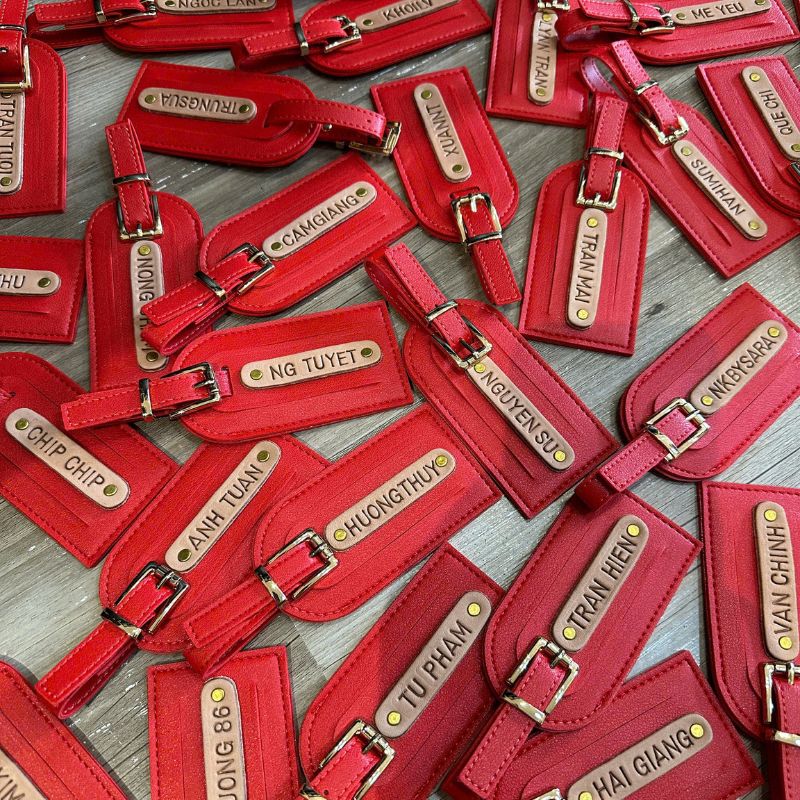
An openly displayed home address on a checked suitcase informs anyone walking through an airport terminal or hotel lobby that your residence is currently vacant while you travel abroad. Unscrupulous individuals have utilized visible baggage addresses to target empty suburban homes for residential burglaries. Furthermore, casual onlookers can view your full legal name, phone number, and destination, enabling sophisticated phishing scams or unwanted harassment.
The Crucial Function of the Privacy Concealment Flap
The architectural hallmark of an executive-grade luggage tag is the integrated privacy concealment flap. In a properly designed privacy tag, your contact information card is tucked completely inside the leather sleeve, concealed behind an overlapping protective leather flap secured by a snap or strap. Casual observers standing in line behind you at airport check-in or taxi stands cannot view your personal data. However, if your bag is misplaced, airline baggage handlers can easily lift the leather flap to read your contact card, achieving an ideal balance between absolute privacy and total recovery legibility.
What Information You Should—and Should Not—Write on Your Tag
When filling out your luggage identification insert, adhere to modern travel security best practices. Never write your full home street address. Instead, list your legal surname, first initial, mobile phone number (including full international dialing country code), and a primary email address. If you are departing on an extended vacation, listing your destination hotel or corporate office address provides airline delivery couriers with an immediate dispatch destination without compromising your personal home security.
Mechanical Integrity: Buckles, Straps, and Stitching
A luggage tag is completely useless if it tears away from your suitcase handle during high-speed sorting. The physical connection mechanism between the tag and the baggage handle represents the single most frequent mechanical failure point in travel accessories.

Flimsy vinyl loops, elastic cords, and cheap beaded metal chains snap effortlessly when snagged by luggage belt diverter arms or heavy suitcase handles on airport conveyor carousels. An artisan-grade travel tag utilizes a dedicated leather buckle strap constructed with heavy-duty cast metal hardware. The strap should feature multiple punched adjustment holes, allowing you to cinch the tag tightly against the suitcase handle. Keeping the strap short prevents the tag from flapping wildly or catching in moving conveyor machinery.
Heavy-Duty Buckles vs Wire Cables and Elastic Loops
While stainless-steel braided wire cables with screw barrels have become popular in recent years, they have an annoying tendency to loosen under chronic vibration unless tightened with pliers. Once the barrel loosens, the cable unthreads and drops off. A traditional leather strap secured by a heavy-duty prong buckle provides a foolproof mechanical lock: once the steel prong passes through the leather eyelet and the keeper loop is engaged, it cannot accidentally unbuckle under kinetic vibration or rotational torque.
Stitch Tension and Reinforced Eyelet Engineering
Examine the top eyelet where the strap threads through the tag body. In cheap plastic tags, this hole is simply punched out of thin vinyl, which quickly tears along perforation lines. Master leather crafters reinforce the strap slot with internal nylon webbing plates, double-stitching around the entire perimeter, and hand-burnishing the edges to prevent fraying. High-tensile bonded nylon threading ensures the tag body can endure hundreds of pounds of sudden pulling force without separating.
Instant Carousel Visual Identification & Backup Measures
After enduring a ten-hour transatlantic flight, stepping into a crowded airport baggage claim hall and staring at three hundred nearly identical black wheeled suitcases circulating on a carousel is an exercise in optical exhaustion. Exhausted travelers frequently grab the wrong black suitcase by accident, wheeling it out of the airport before realizing the mistake hours later at their hotel.
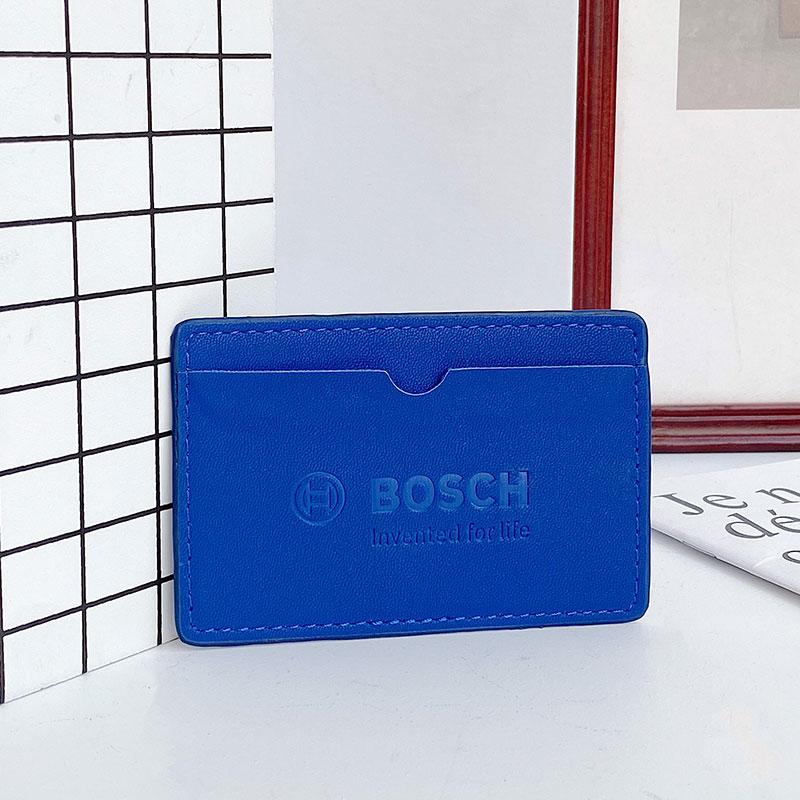
A distinctive, handcrafted leather luggage tag serves as an immediate visual beacon. Selecting a tag executed in an intentional, rich colorway—such as cognac tan, forest green, warm terracotta, or ocean blue—breaks the visual monotony of dark luggage, allowing you to spot your approaching suitcase from forty feet away. Custom monogramming or blind debossing adds an extra layer of unmistakable visual ownership, completely eliminating accidental carousel pickups by tired fellow travelers.
Distinctive Colors and Monograms to Prevent Accidental Carousel Pickups
While you should avoid neon, garish novelties that detract from sophisticated executive style, rich natural colorways strike a tasteful balance. A dark navy or charcoal suitcase accented by a warm saddle-tan leather tag and matching handle wrap stands out immediately on the carousel while projecting timeless, refined travel elegance.
Internal Luggage Cards and Digital Backup Documentation
Seasoned global navigators adhere to the rule of redundancy. In addition to a robust external leather luggage tag, always place a secondary contact sheet—or an extra business card—directly inside your suitcase resting right on top of your clothing. If a baggage catastrophe occurs and your external tag is somehow sheared off by industrial machinery, airport agents opening your suitcase will immediately discover your contact card the moment they unzip the main compartment.
Luggage Tag Types & Attachment Systems Comparison Table
The comparative matrix below outlines key durability, privacy, and performance parameters across common luggage identification systems:
| Luggage Tag Category | Tearing Resistance | Privacy Protection | Carousel Visibility | Weather Resilience | Expected Lifespan | Best-Fit Application |
|---|---|---|---|---|---|---|
| Free Paper Airline Loop | Extremely Low (Tears in rain) | Zero (Data fully exposed) | Poor (Blends into white airline barcode) | Poor (Disintegrates when wet) | Single short flight | Emergency backup only |
| Rigid Acrylic Plastic Tag | Low (Snaps under heavy luggage pressure) | Moderate (Often has slide-in card) | Moderate (Printed cartoon graphics) | High (Plastic does not absorb water) | 3–6 months | Carry-on backpacks, gym bags |
| Artisan Leather Privacy Tag | Superior (Reinforced buckle strap) | Maximum (Secure privacy flap) | High (Distinctive organic leather patina) | High (Treated leather resists rain) | 10–20+ years | Checked international luggage, luxury duffels |
| Smart Bluetooth Tracker Case | High (Enclosed silicone or leather pouch) | High (Digital tracking app) | Low (Small compact puck) | High (Sealed tracker hardware) | 2–4 years (Battery replacement needed) | Interior suitcase tracker complement |
Frequently Asked Questions About Travel Luggage Tags
Should I write my home residential address on my checked luggage tag?
No, experienced travel security experts strongly advise against writing your home street address on any luggage tag. Broadcasting your home address reveals that your residence is likely unoccupied while you travel. Instead, list your legal surname, first initial, mobile phone number with international country dialing code, and primary email address. If an address is strictly required by an airline, list your destination hotel or your corporate business office address.
Where is the safest placement for a luggage tag on hard-shell rolling suitcases?
The safest placement is anchoring the tag onto the side grab handle rather than the top telescoping handle. Telescoping handles experience continuous vertical extension, vibration, and friction during transit, which increases the likelihood of a tag catching in tight overhead bins. The side grab handle sits flush against the suitcase shell, keeping the tag shielded against the body of the suitcase throughout automated conveyor sorting.
Do I still need a physical leather luggage tag if I place an Apple AirTag inside my suitcase?
Yes, absolutely. Bluetooth electronic trackers like Apple AirTags or Samsung SmartTags are fantastic tools for personal peace of mind, allowing you to view your suitcase location on a digital smartphone map. However, airport baggage handlers and airline recovery personnel cannot read your personal phone app. When an airline agent finds a mishandled suitcase, they rely on physical contact information printed on a tag to initiate the official return delivery process. A physical privacy tag and an internal electronic tracker serve complementary, non-competing safety roles.
How many luggage tags should be attached to each piece of checked travel luggage?
The optimal security protocol is utilizing two points of identification: one durable external leather privacy tag cinched tightly to a sturdy handle, and one secondary identification card or printed travel itinerary placed loosely inside the main interior compartment on top of your packed garments. This redundancy guarantees that your luggage remains traceable even in the rare event of extreme exterior tag separation.
Summary: Safe, Confident, and Stylish Travel Navigation
A journey of a thousand miles should not be jeopardized by an easily avoidable baggage mishap. By outfitting your checked suitcases, carry-on bags, and weekend duffels with handcrafted leather luggage tags featuring privacy concealment flaps, robust buckle straps, and distinctive personalized monograms, you protect your sensitive personal data, ensure fast baggage recovery, and travel with timeless, sophisticated confidence.