
Everyday Carry (EDC) Fundamentals: Curating Your Functional Minimalist Pocket Essentials
The Core Philosophy of Modern Everyday Carry (EDC)
Everyday Carry, widely abbreviated as EDC, represents an intentional philosophy of daily preparedness, functional efficiency, and aesthetic harmony. At its fundamental core, your EDC consists of the essential items you deliberately choose to carry on your person every single time you step out the front door. Long before social media popularized flat-lay photography of curated pocket items, humans have intuitively curated pocket kits: pocket knives, timepieces, coin purses, handkerchiefs, and notebooks. What distinguishes the contemporary EDC movement is a disciplined focus on eliminating superfluous clutter while optimizing the functional utility and tactile quality of the few tools you retain.
The modern urban environment presents a unique set of daily challenges. Between digital communications, public transit commutes, co-working spaces, and evening social gatherings, you require tools that facilitate smooth transitions without weighing down your silhouette or creating chaotic pocket bulges. Curating an exceptional EDC kit is not about accumulating tactical gadgets you will never use in an office setting; rather, it is a deliberate exercise in editing. By selecting high-quality, handcrafted essentials—such as a streamlined leather cardholder, an organized key lanyard, a functional pen, and a dependable daypack—you bring calm order, tactile pleasure, and effortless competence to your daily routine.
Intentionality Over Accumulation: The Less-Is-More Principle
The most common misstep among beginners entering the EDC sphere is the urge to over-equip. Enticed by online gear forums, individuals often weigh down their pockets with heavy multi-tools, redundant flashlights, bulky pry-bars, and oversized key bundles. In practical city life, carrying excessive pocket hardware creates constant physical discomfort, wears out trouser linings, and produces distracting metallic jangling with every step. The true master of everyday carry embraces the “less-is-more” principle: auditing daily routines to identify actual frequent needs, selecting multi-functional tools of exceptional quality, and leaving the rest behind.
Balancing Form, Function, and Sensory Tactility
An extraordinary everyday carry setup addresses more than cold, mechanical utility; it engages your sensory awareness. We interact with our pocket essentials dozens, sometimes hundreds, of times every day. Pulling a cold, stamped-metal keychain out of your pocket offers little emotional connection. In contrast, retrieving a handcrafted leather lanyard that has softened and molded to your grip over years of daily handling delivers a moment of genuine tactile satisfaction. Harmonizing warm organic materials—like vegetable-tanned leather, heavy cotton canvas, and matte brass hardware—creates a cohesive visual and tactile identity that enriches your daily life.
The Primary Pocket Tier: Keys, Cards, and Quick Access
An effective EDC system is organized into distinct functional tiers based on access frequency. The primary tier consists of items carried directly in your trouser, jacket, or coat pockets: objects requiring instantaneous, one-handed deployment throughout the day.
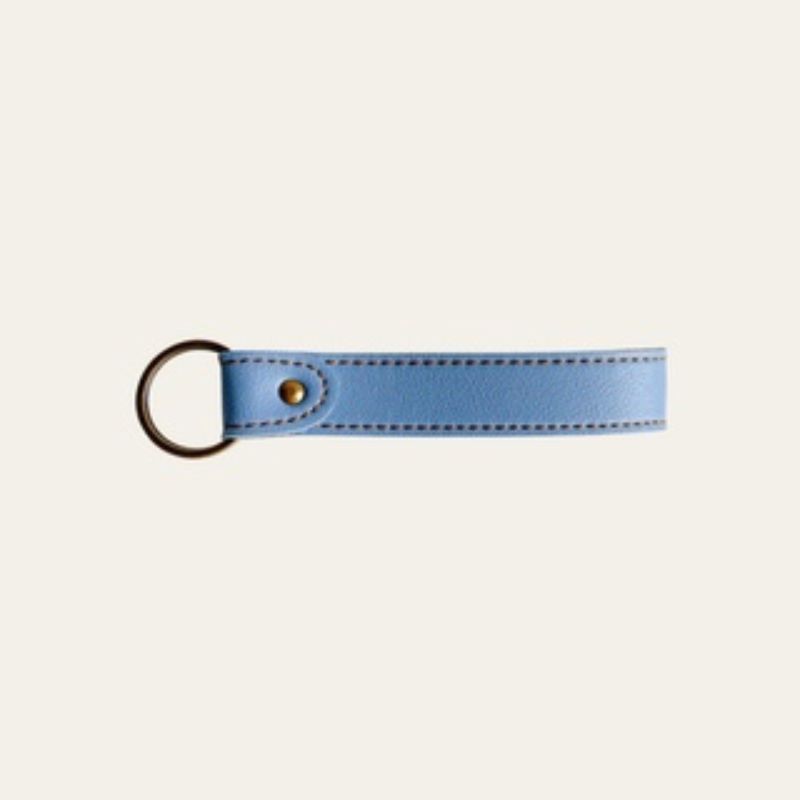
Taming chaotic key clusters is the first milestone in pocket optimization. Loose keys tossed into a pocket act like jagged blades, scratching expensive smartphone glass screens, gouging delicate cardholder leather, and punching holes through pocket linings. Transitioning to a streamlined leather key lanyard or wristlet key fob transforms an unruly cluster of sharp metal into a disciplined, silent bundle. A tactile leather strap allows you to fish your keys out of deep pockets instantly with a single finger, while a secure quick-release snap clip lets you detach your car key or office fob in a split second.
Streamlining Keys with Leather Lanyards and Clips
Begin by ruthlessly auditing your keyring. Most people carry mystery keys to padlocks they discarded years ago or obsolete utility keys they never use. Strip your key setup down to essential daily door keys and electronic access fobs. Anchor them onto a dedicated leather strap equipped with a solid brass or matte black carabiner. This configuration allows you to clip your keys securely to an internal bag loop or your trouser belt loop, keeping them upright and preventing them from pooling into an uncomfortable clump at the bottom of your pocket.
Selecting the Ideal Primary Payment Interface
Beside your keys sits your primary financial interface: your minimalist cardholder. As established in the principles of pocket ergonomics, a front-pocket leather card sleeve holding your primary payment card, transit pass, and personal ID eliminates pocket bulk while allowing instantaneous contactless transactions. By keeping your phone in one front pocket, your slim cardholder and streamlined key lanyard in the other, you achieve a balanced, comfortable, and noiseless primary pocket carry.
The Secondary Tier: The Urban Daypack as Your Mobile Hub
While primary pocket carry handles rapid access essentials, your secondary tier—your everyday backpack or messenger bag—functions as your mobile command center. It bridges the gap between pocket minimalism and comprehensive daily capability.
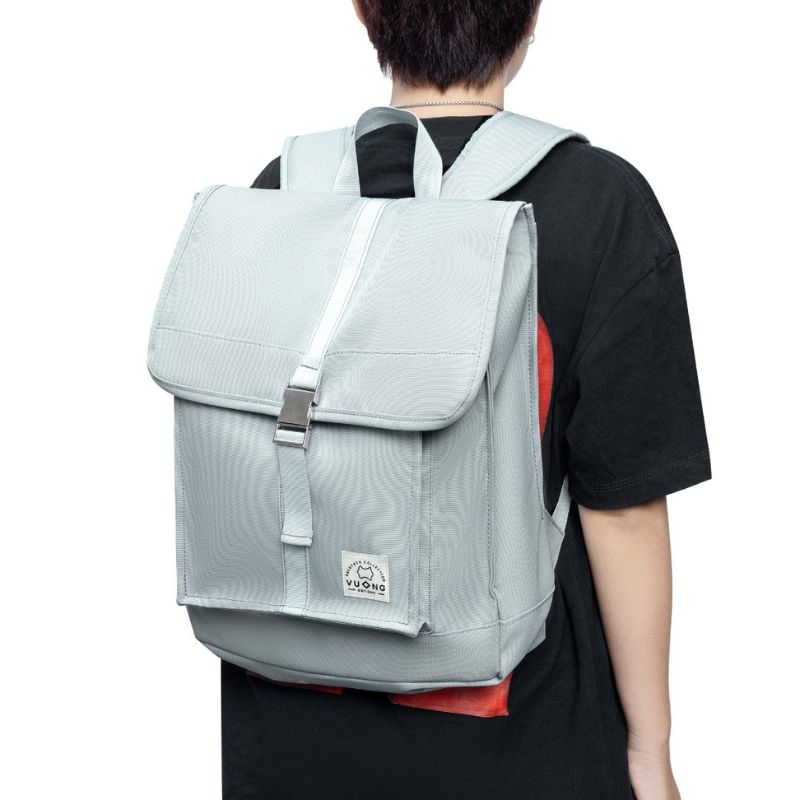
A compact, well-structured 16 to 20-liter canvas daypack provides dedicated sanctuary for the tools that power your modern professional life: your laptop, tablet, charger bricks, power banks, water bottle, sunglasses case, and personal journal. However, simply throwing loose cables and gadgets into a spacious backpack main compartment quickly results in frustrating cord tangles and scratched electronics.
Organizing Tech Cables, Pens, and Notebooks
Discipline within your backpack is achieved through modular sub-organization. Rather than letting charging cords float freely, house them inside a dedicated leather or canvas tech pouch. Similarly, protect analog stationery—such as your favorite fountain pen, ballpoint, and traveler’s notebook—inside a structured zippered leather pen case. By compartmentalizing your backpack interior into discrete modular pouches, you can transfer your entire mobile office between bags within ten seconds without ever misplacing a charging cable.
Modular Pouches and Quick-Deploy Storage
Modular organization extends to personal wellness and grooming. A small, discrete leather pouch holding mints, lip balm, eye drops, and emergency medication keeps hygiene essentials hygienic and immediately accessible. When you arrive at a coffee shop or hot desk, you simply unpack your laptop and deploy your tech pouch beside it, instantly establishing an organized, productive workstation anywhere in the world.
Durability and Weatherproof Confidence in Urban Environments
An everyday carry kit is only as dependable as its ability to withstand the unpredictable elements of city life. Sudden afternoon cloudbursts, crowded subway transfers, and bustling coffee counters subject your gear to constant wear and tear.
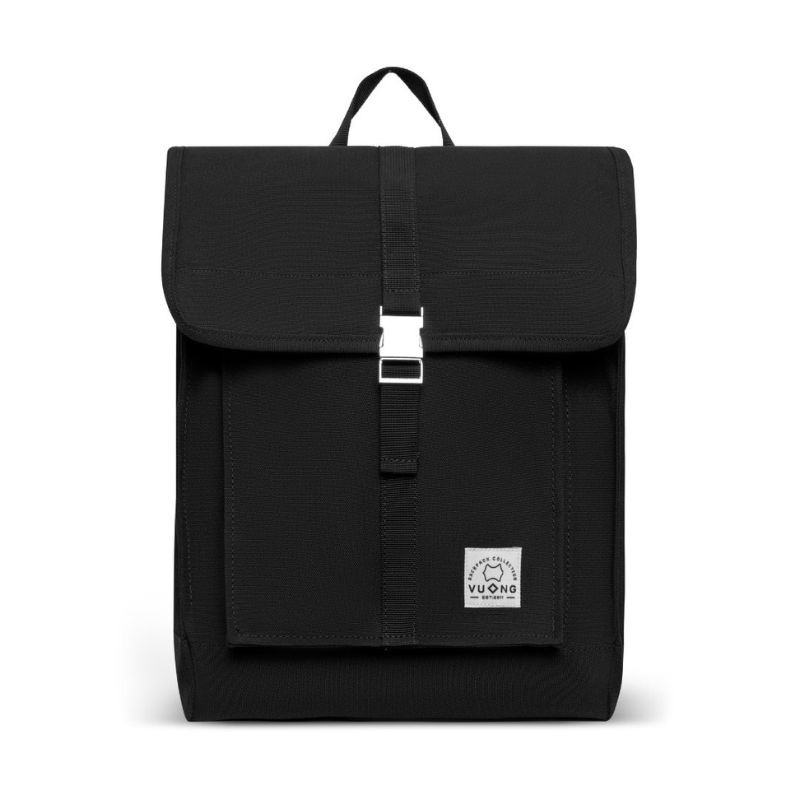
True everyday confidence stems from investing in rugged, weather-resilient materials. Heavyweight water-repellent canvas shells naturally deflect rain showers, ensuring that interior electronics and paper notebooks remain completely dry while dashing between subway exits. Similarly, selecting accessories equipped with self-healing YKK coil zippers and water-resistant storm flaps prevents moisture from seeping through seam closures during prolonged outdoor walks.
Water-Repellent Canvas vs Weatherized Leather
While fine vegetable-tanned leather requires mindful shielding from heavy soaking rains to avoid water spotting, dense waxed canvas and high-performance microfiber PU composites excel in damp climates. Incorporating a blend of these materials into your EDC system—such as a waxed canvas backpack shell trimmed with weatherized synthetic leather bases—delivers the ideal equilibrium of organic tactile beauty and robust all-weather reliability.
Protecting Sensitive Tech Hardware from Sudden Downpours
In addition to weather-resistant exterior fabrics, look for backpacks featuring raised waterproof base panels. A rubberized or reinforced synthetic leather floor panel allows you to rest your backpack on wet cafe floors, damp park grass, or slushy commuter train decks without moisture wicking upward into your laptop compartment.
Everyday Carry Gear Tiers Comparison Table
The comparative table below outlines the architecture, capacity, and weight distribution across common Everyday Carry configurations:
| EDC Carry Tier | Typical Item Count | Average Total Weight | Storage Location | Weather Protection Grade | Mobility & Agility Score | Ideal Daily Scenario |
|---|---|---|---|---|---|---|
| Micro Pocket Carry | 3–4 Items (Phone, Cardholder, Keys) | Under 0.4 kg (0.9 lbs) | Front trouser / jacket pockets only | Minimal (Rely on personal clothing) | Maximum (Completely unencumbered) | Quick neighborhood errands, dinner outings |
| Light Commute Sling | 5–8 Items (+ Sunglasses, Tech cord, Pen) | 0.8–1.5 kg (1.8–3.3 lbs) | Cross-body sling or waist bag | Moderate (Weatherized exterior fabric) | High (Effortless urban navigation) | Weekend city walks, museum visits, cafe reading |
| Standard Urban Daypack | 10–15 Items (+ Laptop, Charger, Flask) | 3.0–5.5 kg (6.6–12.1 lbs) | 18–20L Canvas & leather backpack | High (Water-repellent shell + suspended foam) | Balanced (Comfortable all-day wear) | Daily office commute, university, co-working spaces |
| Extended Mobile Office | 15–25 Items (+ Tablet, Camera, Jacket) | 6.0–9.0 kg (13.2–19.8 lbs) | 24–28L Technical travel rucksack | Superior (Waterproof zips + rain cover) | Moderate (Heavier load burden) | Full-day digital nomad work, overnight business travel |
Frequently Asked Questions About Everyday Carry Systems
How can I prevent bulky metal keys from scratching my phone screen or leather cardholder?
The most effective strategy is establishing strict pocket discipline: designate one front pocket exclusively for your smartphone, and the opposite pocket for your leather cardholder and keys. To completely eliminate metal-on-leather abrasion, secure your keys using a leather key wrap, key organizer sleeve, or lanyard that encloses the key blades within a protective leather sheath. This prevents sharp metal edges from contacting other pocket items while silencing metallic jingling.
What is the single biggest mistake people make when building an EDC kit?
The single greatest pitfall is purchasing gear based on hypothetical disaster scenarios rather than real daily requirements. Carrying heavy multi-tools, redundant tactical blades, or large emergency kits during a standard urban office commute adds unnecessary physical fatigue and clutter. Build your EDC around the tasks you actually perform 90% of the time: paying for transit, unlocking doors, jotting down notes, charging devices, and staying hydrated.
How often should I re-evaluate and clean out my daily backpack carry?
Conducting a quick five-minute gear audit once a week—ideally on Sunday evening before the workweek commences—keeps your carry light and disciplined. Empty out all pockets to discard accumulated receipts, gum wrappers, and stray papers. Re-evaluate whether items carried during the previous week were actually utilized, and remove tools that failed to prove their daily utility.
Can a leather-and-canvas EDC setup remain professional enough for corporate offices?
Yes, absolutely. In fact, a thoughtfully curated leather and canvas setup looks significantly more sophisticated in corporate environments than plastic tactical gear or athletic gym sacks. High-grade materials—such as structured canvas in charcoal or slate black paired with hand-stitched leather trims—convey mature elegance, attention to quality, and tasteful restraint that seamlessly fits corporate boardrooms and creative studios alike.
Summary: Finding Harmony in Your Everyday Tools
Everyday Carry is ultimately a personal pursuit of mindfulness and everyday mastery. By deliberately curating a collection of lightweight, high-utility, and beautifully handcrafted essentials, you eliminate daily friction, protect your gear, and move through the urban world with calm confidence, purpose, and timeless style.