
Understanding Leather Varieties: Full Grain, Top Grain, Genuine, and Premium PU
The Biological Structure of Natural Animal Hides
Leather has held an exalted place in human material culture for millennia. Prized for its peerless combination of tensile durability, tactile warmth, and organic resilience, animal hide has outfitted everyone from ancient nomadic warriors to contemporary luxury connoisseurs. However, when stepping into modern retail boutiques or browsing online lifestyle stores, consumers are confronted with a bewildering array of marketing buzzwords: “full-grain cowhide,” “top-grain calfskin,” “authentic genuine leather,” and “eco-friendly vegan PU leather.” Without a technical understanding of how these materials are harvested, processed, and finished, making informed purchasing decisions becomes a confusing gamble.
To demystify these categories, one must look beneath the surface and examine the biological anatomy of a raw animal hide. In its un-tanned state, bovine hide is a thick, multi-layered organ measuring anywhere from five to ten millimeters in depth. It is broadly divided into two primary structural regions: the outer, ultra-dense upper grain layer (the epidermis and upper dermis) and the underlying fibrous corium network (the reticular layer). The density, orientation, and tightness of the collagen protein bundles shift dramatically as one moves from the outermost epidermal surface down into the lower subcutaneous flesh layers. Where and how a tanner splits this raw hide determines the strength, breathability, aging characteristics, and longevity of the finished leather product.
The Grain Layer: Why Density Dictates Strength
The outermost layer of the hide, directly beneath the hair follicles, contains the highest concentration of densely interwoven collagen fibrils. This tight, microscopic biological weaving serves as the animals primary defense against thorns, insect bites, and the elements. Because these fibers are densely packed and oriented horizontally in multidirectional cross-hatches, the grain layer possesses immense natural tensile strength, puncture resistance, and natural water-shedding properties. Leather that retains this natural, un-sanded grain structure is remarkably durable, capable of enduring decades of mechanical flexing without splitting.
How Natural Imperfections Signal Authenticity
During the life of an animal, its skin encounters brush scratches, insect stings, healed scars, stretch marks, and subtle neck fat wrinkles. In high-grade natural leather tanning, these organic markings are not viewed as flaws to be erased; rather, they are revered as the unmistakable fingerprint of authentic organic provenance. Just as no two human fingerprints are identical, no two full-grain leather hides share the exact same grain topography. Embracing these natural variations is central to appreciating authentic artisan leathercraft.
Dissecting the Grades of Natural Leather
Once a raw hide enters the tannery, heavy industrial splitting machines slice the hide horizontally through the corium, producing an upper grain split and lower flesh splits. From this mechanical separation, three distinct grades of traditional leather emerge.
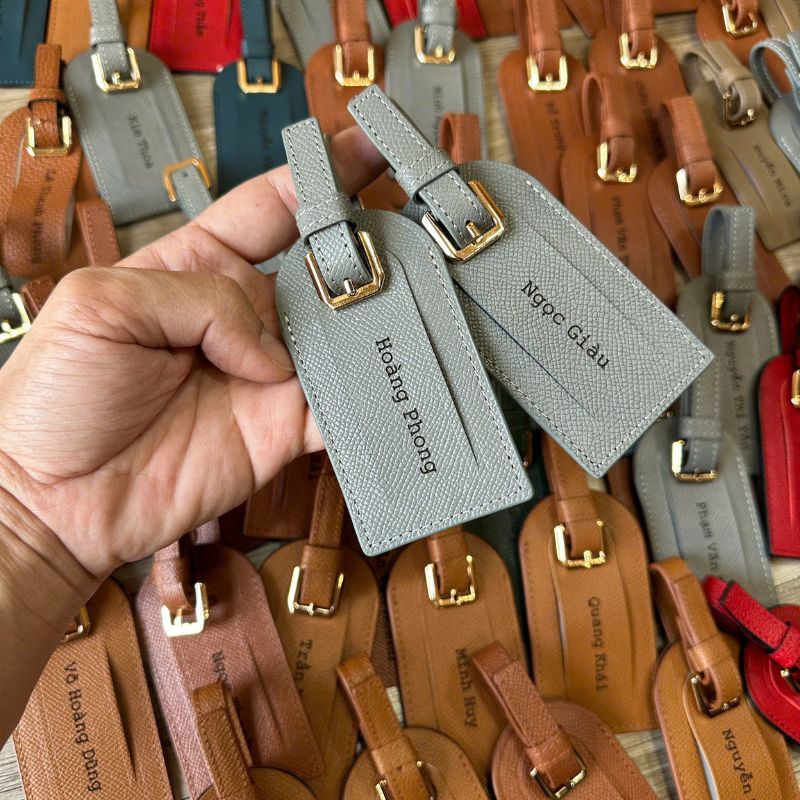
Full-grain leather sits at the very apex of the quality hierarchy. It represents the entire upper grain split with zero sanding, buffing, or artificial correction applied to its surface. Only the pristine top 10% to 15% of harvested raw hides possess the flawless natural character required to qualify for full-grain production. Because the epidermal pore structure remains completely intact and unsealed by heavy synthetic paints, full-grain leather breathes naturally, absorbing ambient oils from your hands and developing a celebrated golden-amber patina that grows richer with every passing year.
Full Grain: The Pinnacle of Natural Character and Patina
The defining hallmark of full-grain leather is its capacity to age with profound elegance. Rather than wearing out, full-grain leather wears in. With regular handling and exposure to sunlight, the natural vegetable tannins and organic lipids within the collagen matrix oxidize and migrate toward the surface, deepening the color and conferring a rich, glossy luster. When you invest in a full-grain leather luggage tag, wallet, or journal cover, you are acquiring an heirloom artifact designed to outlive its owner.
Top Grain and Sanded Finishes: Uniformity and Refinement
Top-grain leather is the second-highest grade. If a raw hide exhibits excessive surface scarring or insect damage, tanners will gently buff or sand away the uppermost epidermal layer to eliminate cosmetic blemishes. After buffing, an ultra-thin pigment coating and artificial grain pattern (such as Saffiano cross-hatch or pebble grain) is embossed onto the surface. Top-grain leather is slightly thinner, softer, and more pliable than full-grain leather, and its protective topcoat makes it noticeably more resistant to initial liquid stains and color fading, making it a favorite for high-end luxury fashion handbags.
The Truth About “Genuine Leather” Markings
One of the most widespread misconceptions among retail consumers surrounds the term “Genuine Leather.” In common speech, the word genuine implies authenticity and superior quality. In the leather industry, however, “genuine leather” is frequently a technical classification for the lowest tier of real animal hide. It is crafted from the remaining bottom split—the loose, fibrous corium after the top grain has been sliced away. Lacking natural grain density, this weak fibrous split is heavily coated with polyurethane or acrylic paints and stamped with an artificial grain pattern. While technically real animal hide, genuine leather lacks tensile strength and is prone to stretching out of shape and peeling after only a year or two of routine use.
The Rise of High-Performance Synthetic and PU Leather
Parallel to traditional animal hide tanning, the material science industry has engineered an exciting revolution in high-performance synthetic alternatives. For decades, synthetic leather was synonymous with cheap, smelly polyvinyl chloride (PVC) vinyl that cracked into brittle flakes within months. Today, advanced polyurethane (PU) composites have completely transformed this landscape.
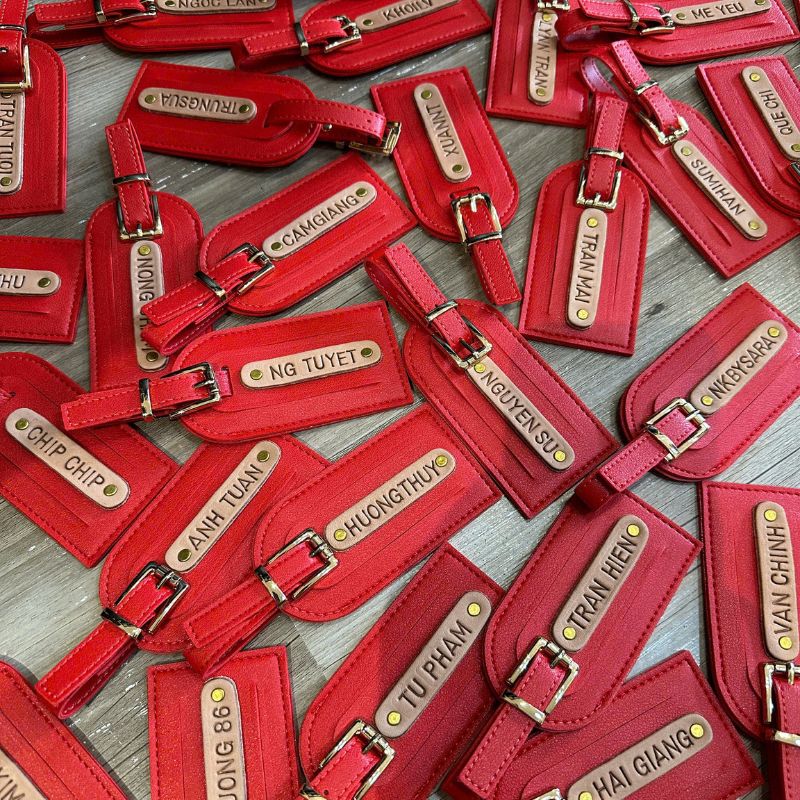
Modern premium PU leather utilizes a high-density non-woven microfiber substrate engineered from ultra-fine polyamide filaments. This synthetic fibrous base closely mirrors the multidirectional matrix of bovine collagen, providing surprising tensile strength and flexibility. The surface is then coated with an advanced, micro-porous polyurethane resin that delivers a soft, buttery hand-feel indistinguishable to the touch from premium calfskin.
Microfiber PU Composites: Breathability and Structure
Unlike old-fashioned solid vinyl plastics that trap heat and moisture, microfiber PU composites feature microscopic pores that allow air vapor permeation while repelling liquid water droplets. This makes high-grade PU leather an outstanding material for everyday accessories like travel tags, passport wallets, and commuter bags that encounter unpredictable weather, rain splashes, and frequent cleaning wipes.
Cruelty-Free Ethics, Weather Resilience, and Practicality
For an increasing segment of conscientious consumers, avoiding animal products is a core ethical priority. Premium PU leather provides an uncompromising cruelty-free alternative that does not sacrifice aesthetic luxury or functional utility. Furthermore, synthetic leather delivers absolute color uniformity across large manufacturing runs, is significantly lighter in physical weight than heavy cowhide, and requires zero specialized organic balms or messy leather oils to maintain its clean, modern appearance.
Debossing, Hot Stamping, and Artisan Customization
A crucial consideration in leather goods selection is how different materials respond to artisan customization techniques, specifically blind debossing, metallic foil stamping, and edge painting.
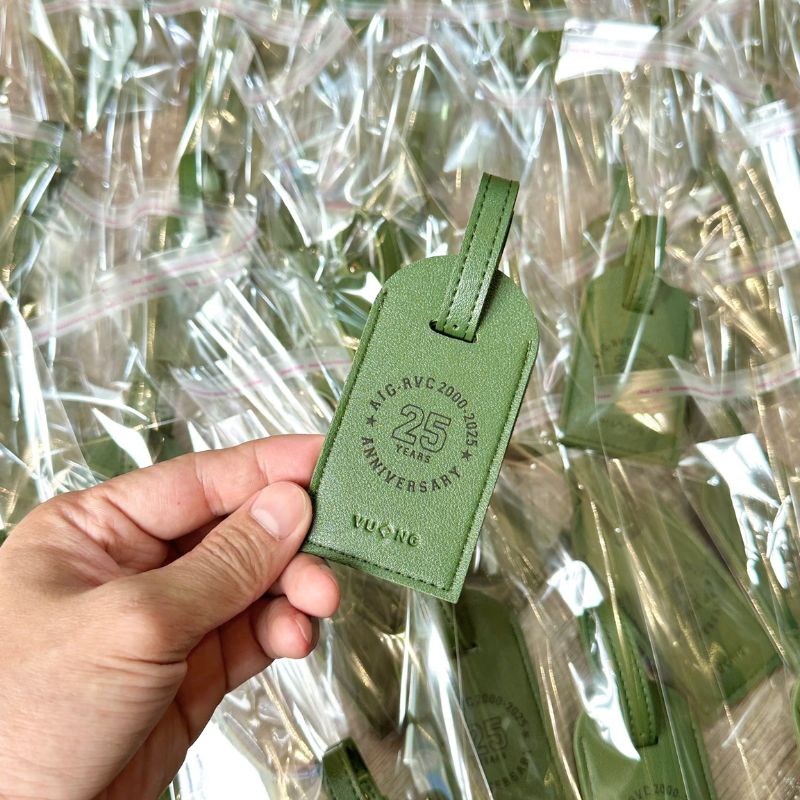
When heated brass dies are pressed into vegetable-tanned full-grain leather, the organic moisture and natural tannins within the hide caramelize under pressure, producing a rich, dark, permanent impression with beautiful bevel depth. Top-grain and corrected leathers also accept hot foil stamping cleanly, though the impression lacks the deep organic darkening of vegetable-tanned hides.
Thermal Reactions and Debossing Crispness
High-grade microfiber PU leather performs exceptionally well under modern thermal embossing equipment. Because the polymer resin melts slightly under calibrated heat before setting firmly, it captures razor-sharp geometric typography, intricate corporate logos, and crisp metallic foil borders with flawless precision. This makes premium PU leather an exceptional canvas for customized corporate gifts, branded travel tags, and personalized monogrammed accessories.
Edge Sealing Techniques: Burnishing vs Polyurethane Edge Coating
The raw edges of full-grain vegetable-tanned leather can be finished using traditional friction burnishing: an artisan applies water and natural beeswax, rubbing the edge rapidly with a wooden slicker until the dense collagen fibers bind into a glossy, glassy edge. Synthetic PU leather and chrome-tanned hides, by contrast, lack the dense natural grain required for friction burnishing. Instead, their edges are sealed with multiple coats of specialized polyurethane edge paint, resulting in a smooth, colorful, rubberized perimeter that shields internal fibers from ambient moisture.
Comprehensive Leather Grades Comparison Matrix
To help you navigate material specifications across various handcrafted goods, review the comprehensive grading breakdown below:
| Leather Grade / Type | Raw Layer Source | Surface Finish & Treatment | Water Resistance | Aging Behavior | Estimated Lifespan | Ideal Product Application |
|---|---|---|---|---|---|---|
| Full-Grain Leather | Uppermost epidermal layer | 100% natural, unbuffed, aniline dyed | Moderate (Absorbs water if unsealed) | Develops deep, glossy organic patina | 20–50+ years | Heirloom bags, luxury wallets, heritage luggage tags |
| Top-Grain Leather | Upper split with sanded grain | Lightly buffed, pigment sealed, textured | High (Resists minor spills and stains) | Maintains uniform color; minimal patina | 10–20 years | Designer handbags, executive cardholders, luxury luggage |
| Genuine (Split) Leather | Lower fibrous corium split | Heavy paint coating + embossed stamp | Moderate to Low (Plastic coating can peel) | Degrades over time; cracks at folds | 2–4 years | Budget department store belts, low-cost accessories |
| Microfiber PU Leather | Non-woven polyamide matrix | Micro-porous polyurethane resin film | Superior (Impervious to water absorption) | Maintains crisp original color and texture | 4–8+ years | Modern vegan travel accessories, tech pouches, corporate gifts |
Frequently Asked Questions About Leather Grades
Does full grain leather always feel stiff and heavy at first purchase?
Not necessarily. While vegetable-tanned full-grain leather is naturally firm and structured when brand new—requiring a break-in period of several weeks of regular handling—full-grain hides tanned with chrome or combination tanning methods can be exceptionally soft, supple, and buttery right off the workbench. The initial stiffness is a function of the tanning agents and hide thickness, not an inherent defect of the grain structure.
Why do some luxury brands prefer Saffiano top grain leather over raw full grain?
Luxury fashion houses frequently select Saffiano top-grain leather for everyday travel bags and wallets because of its extraordinary practical resilience. Saffiano leather features a cross-hatch texture hot-pressed into the protective wax coating. This specialized textured treatment renders the leather nearly impervious to accidental fingernail scratches, water droplet stains, and everyday abrasions, ensuring that high-value designer accessories maintain their pristine retail appearance through years of daily city use.
How can a consumer quickly tell high-grade PU leather apart from genuine cowhide?
There are several sensory cues you can rely on. First, examine the grain: natural cowhide displays subtle irregularities and non-repeating pore clusters, whereas synthetic leather displays a perfectly uniform, repeating embossed texture. Second, check the reverse side or raw edges: natural leather reveals fibrous suede-like collagen bundles, while synthetic leather shows a woven or knit fabric backing. Third, the scent test: natural hide possesses an unmistakable earthy, rich tanning aroma, whereas PU leather is either completely odorless or exhibits a faint synthetic resin scent.
Will vegan PU leather ever develop an organic patina like traditional vegetable-tanned leather?
No, synthetic PU leather does not develop an organic patina. Patina formation is a biochemical reaction exclusive to the open collagen pores, natural animal fats, and plant tannins of vegetable-tanned hides reacting with ambient sunlight and hand oils. High-grade PU leather is specifically engineered for aesthetic stability: it is designed to look exactly the same five years from now as it did the day you purchased it, retaining its crisp color and uniform texture without darkening.
Summary: Choosing the Right Material for Your Daily Journey
No single material is universally superior for every scenario. Full-grain leather offers unmatched heirloom longevity and an intoxicating organic patina for those who value heritage craftsmanship. Top-grain leather delivers refined elegance with elevated scratch resistance. Modern microfiber PU leather provides an ethical, lightweight, and weather-resilient alternative perfectly suited to contemporary urban transit. Understanding these structural distinctions empowers you to invest in pieces that align seamlessly with your lifestyle values and functional demands.