
Why a Premium Passport Cover Is Essential for Frequent Travelers
The Vulnerability of Modern Biometric Passports
In our globally interconnected world, an international passport is unequivocally your single most valuable travel possession. It serves as your official identity, legal gateway across sovereign borders, and primary safety net whenever journeying abroad. Yet despite its profound administrative importance, a standard passport booklet remains inherently fragile. Constructed from lightweight cardstock paper, delicate binding thread, and laminated security film, a passport is exposed to continuous physical stress every time it is tossed into a carry-on backpack, jammed into a tight jacket pocket, or handled by airport gate agents and border security officials across multi-leg journeys.
Furthermore, nearly all contemporary passports issued worldwide are biometric ePassports, embedded with a microscopic Radio Frequency Identification (RFID) chip and a delicate antenna loop embedded within either the back cover or the central polycarbonate data page. These sensitive electronic components store your biometric facial contours, digitized fingerprints, and encrypted cryptographic signatures. Subjecting an unprotected passport to accidental bending, localized blunt pressure, or liquid spills can fracture the internal microchip antenna. An unreadable biometric chip can result in frustrating delays at automated border control e-Gates, mandatory manual secondary inspections, or even denied boarding on international flights. Investing in a thoughtfully engineered, handcrafted passport cover is not an indulgence in superficial luxury; it is a fundamental travel insurance policy for seamless global transit.
Protecting the Embedded RFID Microchip
The electronic microchip embedded within your ePassport is surprisingly sensitive to structural deformation. When an unprotected passport is seated inside a snug trouser pocket or pressed beneath a heavy laptop inside an overstuffed travel bag, torque and torsional forces flex the cardstock cover repeatedly. Over time, this constant mechanical strain can sever the microscopic copper wiring connecting the chip to the perimeter antenna. A structured leather or high-density composite passport sleeve provides necessary rigidity, distributing external pressure evenly across the booklet plane and shielding the internal electronic circuitry from catastrophic bending fatigue.
Preventing Severe Booklet Wear and Corner Creasing
International border officials possess broad discretionary authority when inspecting incoming travel documents. Airline ground staff and immigration officers routinely scrutinize booklets for signs of fraudulent tampering or severe physical wear. Frayed edges, detached laminate overlays, water stains, or dog-eared cover corners can arouse suspicion or cause scanning hardware errors at passport control desks. In severe instances, border control authorities may classify heavily degraded documents as officially damaged and refuse border entry altogether. A bespoke protective cover acts as a defensive perimeter, absorbing abrasions, friction, and humidity before they can touch your official paperwork.
Organization at 30,000 Feet: Streamlining Airport Navigation
Anyone who has navigated a bustling international airport hub during peak holiday departure hours understands that calm travel begins with effortless organization. Between curbside check-in, currency exchange desks, security screening lines, duty-free shopping, and final boarding gates, a traveler must retrieve and stow their passport dozens of times. Fumbling through deep backpack compartments or rummaging through carry-on pockets while anxious queues build behind you is a surefire recipe for travel stress and misplaced items.
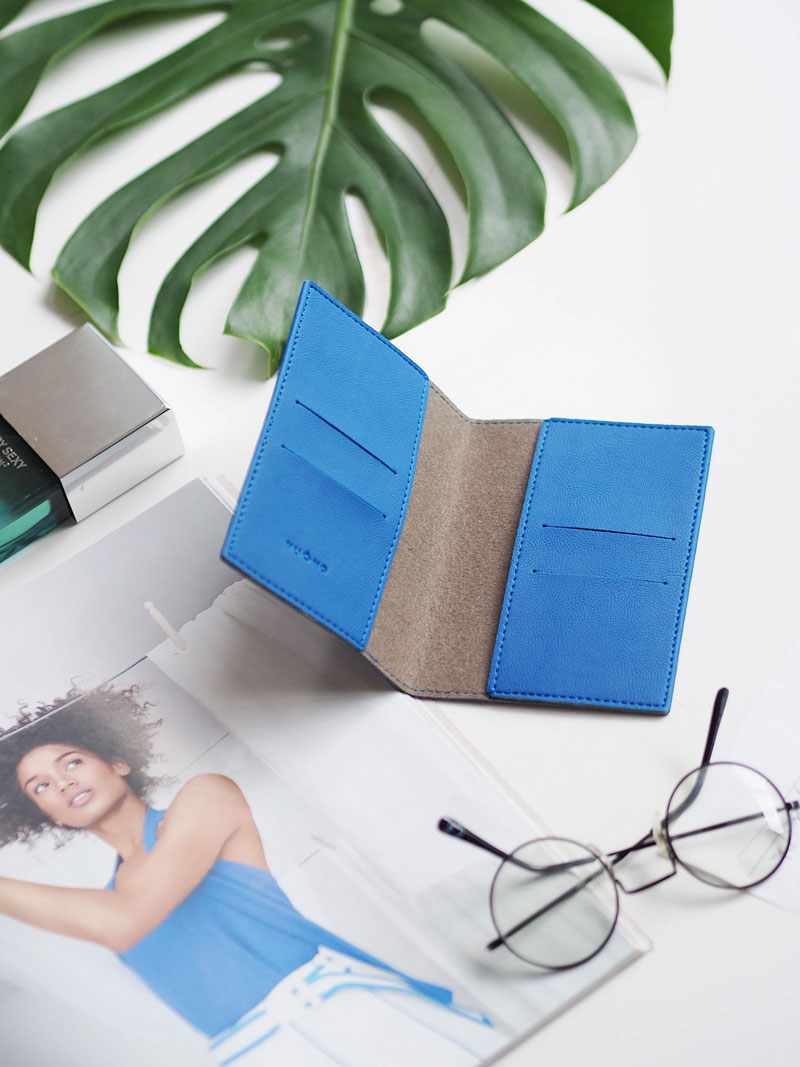
A well-designed passport cover transforms your travel document into a consolidated mobile workstation. By integrating precision-cut slots for printed boarding passes, international payment cards, departure tax receipts, and customs landing cards, the sleeve ensures every critical document is immediately accessible at a glance. Instead of holding loose paper boarding passes that easily crumple or tear, your entire journey itinerary remains neatly anchored within a single tactile, structured folder.
Consolidating Crucial Travel Paperwork
Modern travel often necessitates juggling multiple physical cards alongside your passport, including frequent flyer loyalty credentials, global roaming SIM cards, hotel keycards, and transit metro passes. High-utility passport sleeves feature integrated interior card slits tailored specifically to hold these supplementary essentials without introducing unnecessary pocket thickness. Having your emergency credit card and physical transit pass tucked securely beside your passport allows you to disembark at your destination airport and transition directly onto an express train without ever opening your primary luggage.
Fast-Track Security Gate and Border Screening
Efficiency at airport security checkpoints directly correlates with how quickly you can stage and retrieve your identity documents. With a dedicated passport cover, your document remains rigid and tactile, making it easy to slide in and out of carry-on organizer pockets with one hand. During automated boarding gate scans, having the passport held securely inside an open-wing sleeve allows the barcode scanner to read boarding passes cleanly without awkward booklet flapping or dropped documentation.
Anatomy of a Superior Passport Sleeve
Not all travel accessories are created equal. Flimsy novelty vinyl covers purchased in departure gift shops often create more problems than they solve, clinging stubbornly to passport paper covers and making document extraction a frustrating ordeal. In contrast, an artisan-crafted passport cover balances precise dimensional tolerances with premium tactile materials to deliver years of seamless reliability.
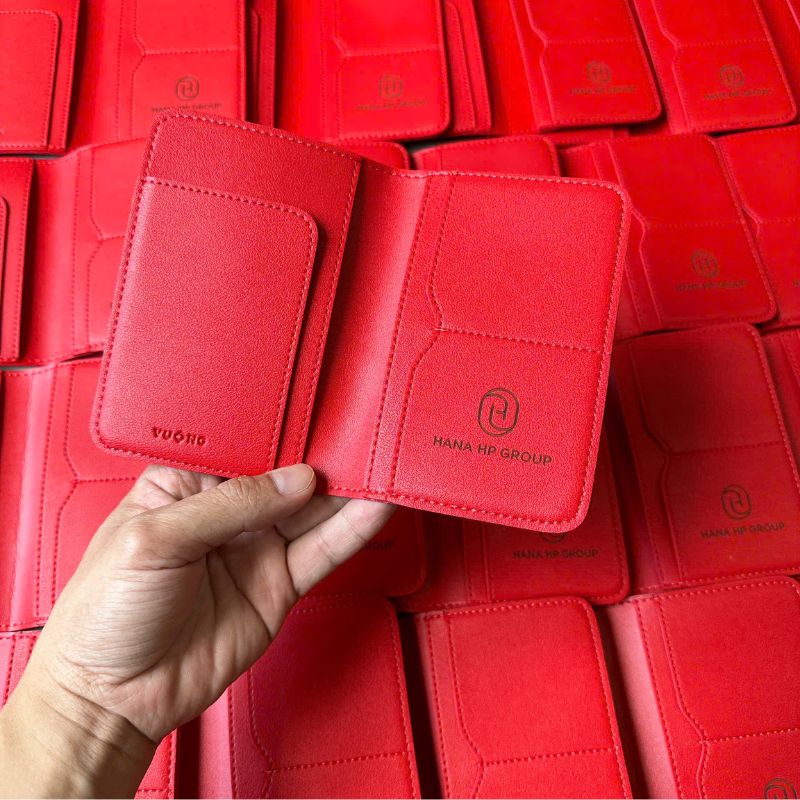
The hallmark of superior craftsmanship begins with the inner sleeve geometry. A properly engineered cover incorporates snug yet smooth side pockets that grip the back cover of your passport firmly while allowing the front cover to slip out effortlessly whenever immigration officers request a bare document inspection. The interior lining should feature soft microfiber or smooth silk-blend fabrics that eliminate friction against delicate embossed booklet seals and prevent ink transfer from visa stamps.
Reinforced Stitching and Edge Finishing
The perimeter seams of a travel sleeve endure continuous friction as the item is repeatedly inserted into and pulled out of tight bag pockets. Exceptional covers utilize high-tensile bonded nylon threading sewn with reinforced back-tacks at high-stress entry corners. Furthermore, perimeter edges are meticulously sealed with multiple coats of flexible edge paint or folded under and edge-stitched, preventing moisture from seeping into internal reinforcement layers and ensuring the sleeve maintains its crisp architecture through decades of international voyages.
Internal Pocket Layout and Card Slit Geometry
A thoughtfully designed internal layout prioritizes asymmetrical pocket wings. One side features a full-depth sleeve designed to anchor the passport back cover securely, while the opposing side provides horizontal card slots and a dedicated boarding pass pocket with an angled cutaway. This angled contour allows travelers to quickly slide paper boarding stubs in and out without bending the thermal barcode edge, ensuring smooth transit through automated airport turnstiles.
Personalization and Travel Identity
Beyond its utilitarian protective and organizational virtues, a handcrafted passport cover serves as an intimate expression of personal style and travel identity. In an era dominated by mass-produced consumer electronics and ubiquitous airport luggage, holding an artisanal, personalized travel piece grounds the journey in tactile warmth and intentionality.
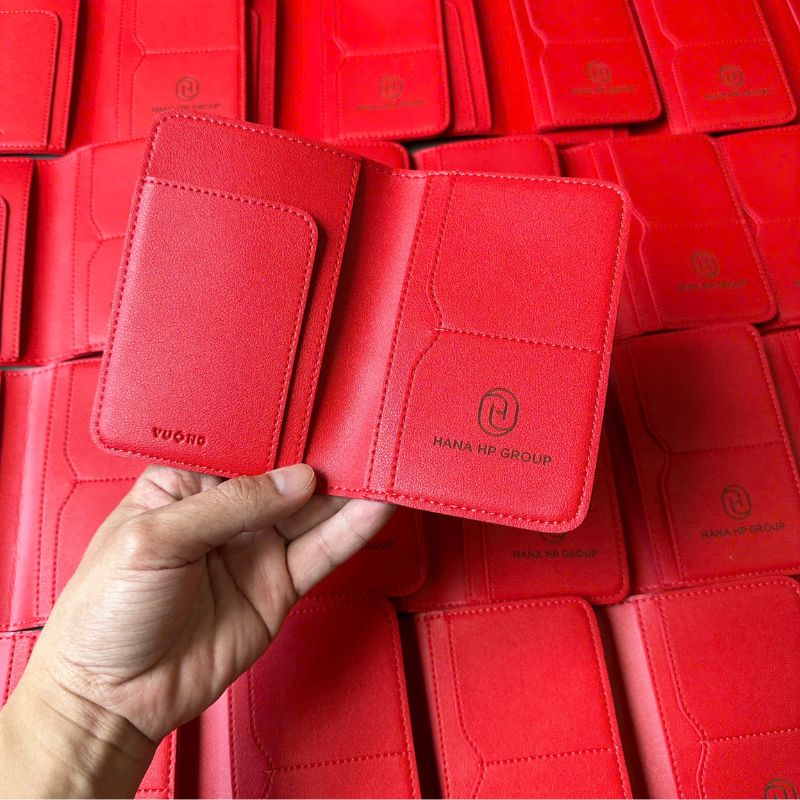
Custom hot-foil stamping or blind debossing of your initials transforms an already refined accessory into an unmistakable heirloom. A personalized cover imparts a distinguished air of executive professionalism during corporate business trips while subtly signaling seasoned wanderlust on leisure expeditions. Over time, as the cover journeys across continents, airports, and train terminals, every faint mark and gentle softening of the material becomes a tactile diary of your global explorations.
The Value of Custom Debossing and Monograms
Blind debossing uses precision heat and localized pressure to permanently depress monogram characters into the leather grain without artificial pigments. This traditional craft technique yields a timeless, understated aesthetic that never fades, flakes, or rubs off over years of friction. For those who prefer a touch of celebratory refinement, metallic gold, silver, or rose-gold foil stamping introduces an eye-catching sheen that catches airport terminal lights beautifully.
Preventing Accidental Passport Mix-ups Among Family Groups
For family groups, couples, or corporate delegations traveling together, identical national passport booklets can quickly trigger chaotic confusion at security check gates and hotel check-in desks. Having passports dressed in distinct, personalized sleeves—either through individualized colorways or custom debossed initials—instantly eliminates accidental document swaps. A parent managing four family passports can identify each child booklet in a split second, streamlining border clearance for the entire traveling party.
Travel Document Organization Comparison Table
To help you choose the ideal travel document setup for your travel habits, the table below compares common methods of carrying international identification:
| Protection Category | Chip Protection | Corner Rigidity | Document Capacity | Pocket Bulk | Airport Speed Score | Aesthetic Appeal |
|---|---|---|---|---|---|---|
| Bare Passport Booklet | None (Vulnerable to bend fatigue) | Poor (Easily dog-eared and frayed) | Zero (Requires separate card carry) | Minimal (Slides into any pocket) | Moderate (Loose boarding passes risk loss) | Plain government issue |
| Clear Vinyl Sleeve | Poor (Minimal structural support) | Low (Sticks to paper pages in heat) | Minimal (Single slip pocket) | Very Low | Poor (Difficult to slide off during checks) | Utilitarian and cheap |
| Artisan Leather Cover | High (Structured pressure shielding) | Excellent (Folded seams prevent creases) | Optimal (Holds boarding pass + 2–4 cards) | Sleek (Fits jacket front pockets) | Excellent (Fast, single-hand staging) | Refined, bespoke craftsmanship |
| Large Zippered Travel Wallet | High (Rigid padded outer shell) | High (Total enclosed protection) | Excessive (Holds cash, coins, 10+ cards) | Bulky (Requires tote or backpack carry) | Moderate (Slow zipper access at gates) | Bulky executive travel clutch |
Frequently Asked Questions About Travel Passport Covers
Do immigration border officers require you to remove the passport from its cover during passport control?
In many international jurisdictions, immigration border control officers and automated e-Gate passport readers require the booklet to be removed from its outer sleeve so that the polycarbonate photo page can be laid completely flat against optical and ultraviolet document scanners. A masterfully crafted passport sleeve is engineered with this exact requirement in mind: it holds the passport firmly in place during daily transit while enabling you to slide the document out smoothly within two seconds whenever requested by airport authorities.
Will a thicker passport cover block RFID scanners at automated e-Gates?
Standard leather or high-density PU passport covers do not contain metal shielding, meaning standard border control RFID transceivers can easily read biometric signals right through the material. If your cover features dedicated metallic RFID-blocking layers designed to prevent wireless identity skimming in crowded public spaces, you simply slide the passport booklet halfway out of the cover before placing it onto the electronic scanner bed at the automated gate.
Can a passport cover accommodate both standard 32-page and jumbo 48-page booklets?
Standard artisan passport covers are dimensioned according to international ICAO Doc 9303 standards (approximately 125 mm by 88 mm), which easily accommodates standard 28-page to 36-page national passport booklets. If you hold a jumbo frequent-flyer booklet (typically 48 to 64 pages) or dual passports, ensure your sleeve incorporates a slightly wider spine gusset to prevent excess tension along perimeter stitching.
How should I clean and disinfect my passport sleeve after long international trips?
Airport security bins, immigration counters, and airplane tray tables harbor substantial bacterial residue. Upon returning from a trip, remove all documents from your sleeve. Lightly dampen a clean microfiber cloth with lukewarm water and a drop of mild antibacterial hand soap, then gently wipe down both exterior and interior surfaces. Wipe dry immediately with a clean cotton towel and allow the sleeve to air-dry in a well-ventilated room before replacing your documents.
Summary: Elevating Your Journey One Journey at a Time
Travel is an investment in personal perspective, connection, and adventure. Sheltering your most essential travel document inside a meticulously handcrafted leather passport cover honors the significance of your journeys. By safeguarding sensitive biometric electronics, preventing booklet damage, and consolidating travel paperwork into an elegant, personalized accessory, you bring calm confidence, security, and timeless elegance to every departure gate across the globe.